
Five Ways to Reduce the Environmental Impact of Excavation
With any excavation project in New Jersey, there are a number of aspects that could impact the environment negatively. It’s easy to wash your hands of the topic and leave it to your contractor. But it’s important to take accountability and ensure you find a contractor who is equally invested in protecting the environment.
Whether you are ready to hire a team for a commercial excavation or a residential excavation, you should always know how your project will impact the environment. What questions can you ask? Here are a few ideas of where to start.
1. Reuse and Recycle Materials
First and foremost, what happens to all the rocky dirt after the excavation of a building foundation or pool? What soil or clay can be saved in the process?
Talk with your team about the steps included in excavating a plot of land. If demolition is involved, the building can always be scavenged for materials worth saving, whether it be flooring, appliances, office equipment, or electrical wiring. The owner is welcome to remove and keep items prior to demolition.
Once the land is ready to prepare for new construction, where does all the excess dirt go? What happens during the excavation process? At Mikula Contracting, we promote the recycling and reuse of any salvageable backfill during the project. In particular, rocky and sandy soil can be used to create concrete or utilized as extra soil during landscaping projects.
2. Properly Dispose of All Waste
There is a greener alternative to waste disposal. Instead of piling all undesirable dirt into a landfill, the soil can be sorted by rocks, clay, and sand. Construction projects can very easily have a negative impact on the environment. Choose a company that is conscious of the amount of waste during the construction process. Are they making a significant effort to reduce waste in the construction site?
3. Have a Plan for Erosion and Runoff
A big part of excavation in the construction industry is planning for the future. An excavation contractor not only digs a foundation that will last for now, but they also consider erosion and water pathways during the construction and into the future, ensuring longevity for the structure and for environmental safety.
Will the water runoff go through wet cement and lead to chemicals spreading into other properties and contaminating soil? This issue is always a consideration on a safe construction site. These factors should always be considered at the start of the project when starting a new building excavation in New Jersey.
We construct pathways that will keep water runoff on our property. We pool the water on the construction site and use it to spray the area to reduce dust.
4. Reduce Your Dust Production
What is another aspect of the environmental impact of construction? While some dust is inevitable during an excavation project there are ways to reduce the production of it. For example, having access to water and hoses can help and scheduling during a damp or rainy day can also assist with keeping dust to a minimum
At Mikula Contracting, we actively work to take responsibility for our dust production. The site is kept wet or damp throughout the duration to minimize the production of dust spreading into other properties. If loose materials are organized into stockpiles, the piles are covered to eliminate the spreading of dust throughout the construction project.
In addition, we always try to work on reducing noise pollution in the area. No one wants to suffer from irritating, repetitive noises when trying to sleep or concentrate. We consider all surrounding residential and commercial neighbors as precisely that– neighbors. And we work to build trust and harmony with them. We are conscious of the environment and the people in it.
5. Consider Your Diesel Consumption and Carbon Emissions
The truth is that excavation in New Jersey requires equipment that is not considered environmentally friendly. The diesel consumption of one truckload is enough to negatively impact the surrounding air quality. To combat this, Mikula Contracting does its best to reduce the number of vehicles whenever possible through proper planning. For example, if the job site is large, contractors can ride together to other areas of the project instead of driving individual vehicles.
In this vein, we always consider alternative fuel sources at Mikula Contracting. When possible, we use hybrid equipment meant to reduce carbon emissions on the work site. And if we have to use trucks and machinery with diesel engines, we are always conscious of minimizing carbon emissions. This means taking fewer trips back and forth to soil treatment facilities and job sites. We do not run the machinery when it is not in use. And each machine operator is highly trained on the environmental impact that construction equipment can have if used irresponsibly.
For an excavation project, there can be a lot of back and forth from a job site for trucking and dumping. This can often use a lot of fuel contributing to increased carbon emissions and diesel consumption.
At Mikula Contracting we always consider our diesel consumption and carbon emission, we avoid idling and try not to keep trucks and equipment running when not in use. In fact, good planning, efficient scheduling, and proper routing to and from job sites can help reduce the use of fuel and limit carbon emissions.
Protect the Environment During Your Excavation Project with Mikula Contracting
Are you ready to complete your New Jersey excavation project with Mikula Contracting? We have the experience and professionalism you need to complete a project in a responsible manner. Speak with our planning team to ensure we are on the same page before the project begins.

Test Pit Excavations and What They Can Find
Most test pit excavations occur at the beginning of a construction project before the work begins. These thorough site investigations provide answers to questions like:
- What kind of debris or rocks will we run into when digging the foundation for the building?
- Is the soil contaminated with oil, gasoline, or other toxic substances?
- How deep is the water table?
- What is the level of groundwater seepage?
Test pit excavation provides these answers and more at a fraction of the price of fixing the problem if something major were discovered well into the construction process. If you have already constructed a large part of the building to find out the soil is not solid enough for your structure, you are in for a lot more money to solve the problem.
What Is a Test Pit Excavation?
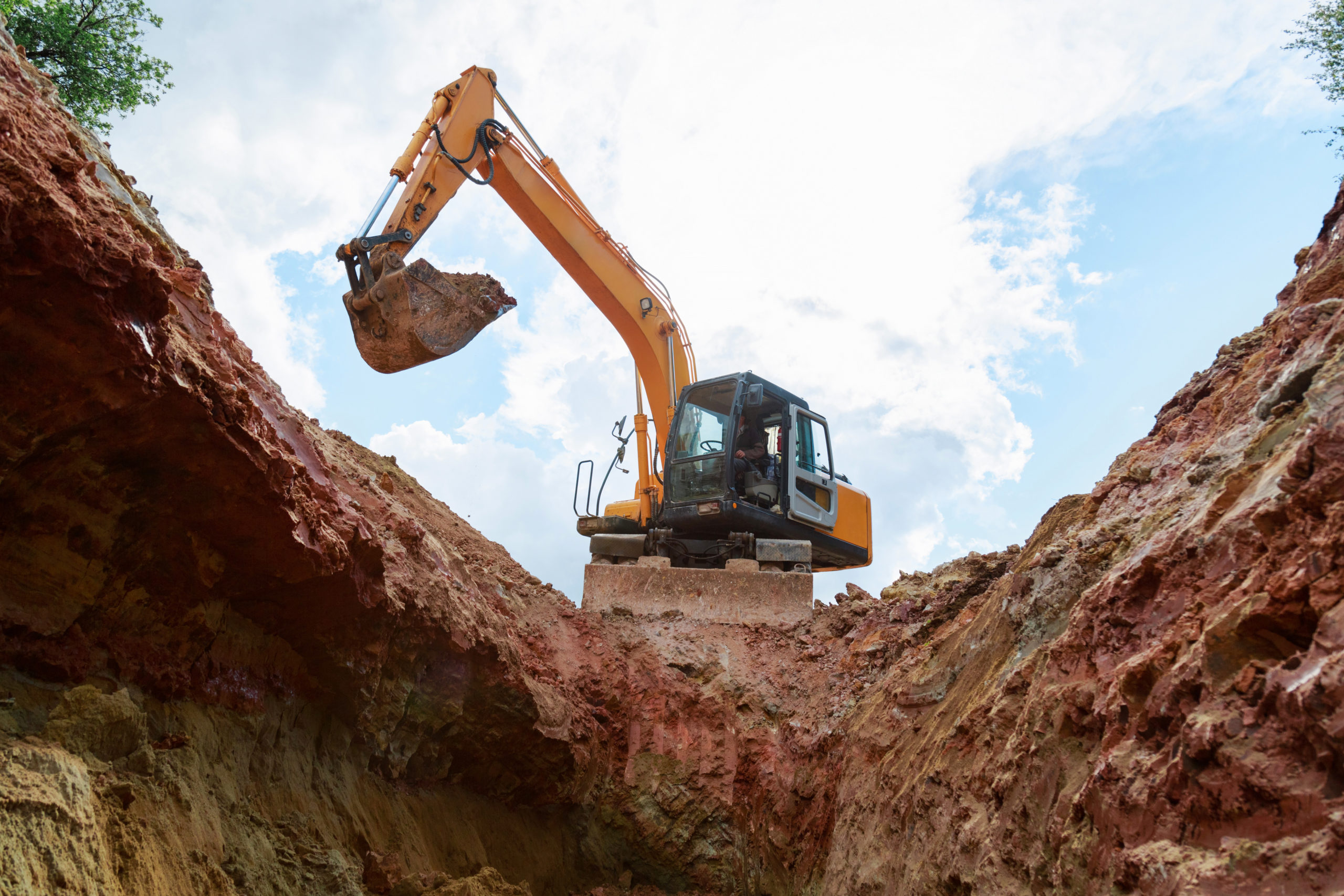
Test pits are a smaller version of a dig on a construction site to get a picture of what you’re working with on the property. Test pits may also be referred to as trenches and can be long and skinny, and somewhat shallow. Each project will have its own specific depth requirement for the test pit excavation.
It is also very common to dig a few test pits around the property to make sure the soil is consistent and uncontaminated.
What Are the Benefits of Digging a Test Pit?
The benefit of digging test pits is getting answers before the construction begins. When you are better prepared to run into the water table while digging the foundation, you will have a plan for a different type of foundation. Or you can have equipment ready that will help you face potential issues.
If the soil is contaminated, you can take care of the issue before a giant structure is in the way. Keep your contractors safe, as well as the people who will enjoy the commercial or residential property, by choosing soil remediation and certifying the soil to environmental standards.
What Are the Drawbacks of Digging a Test Pit?
The only drawback to digging a test pit is finding nothing worth noting. Even in that case, it is not a waste of your money to start your construction project with peace of mind.
One other potential problem that could occur with test pit excavation is hitting utility pipes under the ground. However, this only happens occasionally because a markout is required before digging which means that utility companies have to mark where their lines are in order to prevent something like hitting the pipes from happening.
The Purpose of Test Pitting
A test pit excavation helps your team prepare for a hefty construction project. If you find out that there is an abundance of roots in the area, you can provide your team with the equipment to cut through the roots as you dig for construction.
If you find the soil does not absorb groundwater and is sloshy after several days of dry weather, you will need to replace the soil with dirt that absorbs water. These discoveries can save you thousands of dollars when they are detected before the project begins.
Although not common, perhaps you order several test pit excavations on your property and discover an underground oil tank. Or maybe the owner before you had a swimming pool and filled it in instead of removing it completely. Both of these instances would be valuable to know before you further invest in the property.
Why Hire an Excavation Company to Perform a Site Investigation?
Let our team come by for test pit excavation to find the answers to your soil questions. We can dig trial pits to show what may be discovered on the property. Our team will perform tank scans and will work with survey companies to ensure that there is no underground structure.
Once the test pit excavation is complete, our partners in environmental engineering will provide a full report about the quality of the soil, if there are any underground structures, and if the soil is solid enough to hold a structure.
Knowing these answers will help you obtain insurance and a clear certification from environmental services on your building project. Safety comes first in all things, and that includes test pit excavation.
Complete Your Test Pit Excavations with Mikula Contracting
Mikula Contracting is a name you can trust in the excavation industry. Our team is proud to serve New Jersey residents and business owners as you venture into a new construction project. If you are ready to choose a property and want an inspection before the sale goes through, we are happy to dig a few test pits to see what you are working with.
You always want to be sure that you are getting a good deal with the land that you invest in. Our team can guarantee a full soil inspection to learn what to expect if you build on specific land. Arm yourself with knowledge by contacting Mikula Contracting today.
What's the Difference Between Demolition and Excavation?
Many local contractors offer a range of services, and it’s important to clarify the services you need when hiring an excavation or demolition contractor in New Jersey. When you understand the differences between excavation and demolition, you can be sure that you are hiring the right contractor for the job.
One of the most important factors to consider when hiring a New Jersey demolition contractor is whether the services are handled by an in-house crew or outsourced to another contractor. Some local providers rely on services from outside contractors, which often causes delays and concerns about the quality of the project.
At Mikula Contracting, our in-house team is well-versed in every detail of housing demolition. We have an experienced, highly trained crew offering local services that you can trust.
What Is Demolition?
Demolition services are the act of tearing down a structure or building that is no longer needed or wanted. Full demolition means that you are tearing down the whole building. There are also times when partial demolition makes sense, using controlled methods to prevent damage to other sections of the building.
This process can be more complicated than most people realize, especially because special services are necessary to manage electrical lines, plumbing, utilities, permits, and more.
Demolition projects aren’t complete until everything has been hauled away and excavation is done. The finished project should be a clean site ready for the next project you have in mind.
Residential vs. Commercial Demolition
Our team of demolition specialists can assist with both residential demolition and commercial demolition projects. The main differences between residential and commercial are the size of the project and special considerations for bigger buildings.
There are many factors that need to be considered by a demolition contractor in New Jersey: permits, excavation, electrical systems, water lines, safety measures, cost, disposal of building materials, and more. The good news is that Mikula Contracting is here to help, offering full-service solutions for residential and commercial demolition projects.
What Is Excavation?
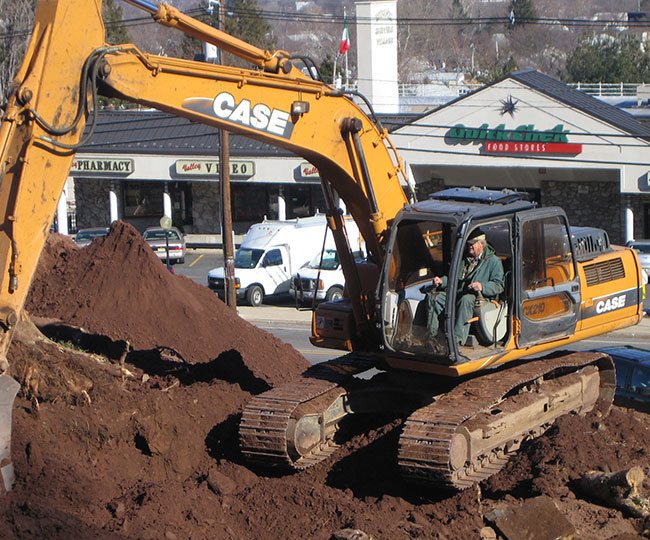
Excavation often goes hand-in-hand with demolition, but this service can also be a standalone project. Excavating land involves moving dirt, mud, and rocks so the property is prepared for an upcoming construction project. Anything that requires the movement of earthy materials or tunneling falls within the category of excavation, and it’s best to hire an excavation contractor in New Jersey for assistance.
Examples of excavation projects include moving rocks and dirt to make way for pavement, a foundation, new construction, or any other projects that require preparation of the ground before construction can begin.
When calling an excavation contractor, New Jersey homeowners should ask about the team’s qualifications, credentials, and experience. The crew is working on your home, so it’s necessary to ensure that you are working with a skilled contractor who can properly dismantle the portion that needs to be demolished.
Residential vs. Commercial Excavation
The truth is that both residential and commercial excavation projects are pretty similar. The main difference is the scale of work required for a larger commercial lot. Additionally, it’s important to consider the size and weight of the building that will be placed on the excavated land.
For example, similar tractors and excavating equipment are brought on-site for residential excavation for homes and commercial excavation for bigger office buildings. But a lot more dirt and earthy materials must be moved for a commercial project because the construction footprint is a lot bigger compared to a residential home on a smaller lot.
Main Differences Between Demolition and Excavation
While both demolition and excavation are often necessary for construction projects, these services aren’t the same thing. These services often go hand-in-hand, which means you can hire the same company as both an excavation and demolition contractor in New Jersey.
Sometimes, excavation work is done without a need for demolition. But, it’s common for demolition to require excavation work. For example, when demolition contractors are finished tearing down a building, the next step is to move the dirt and rocks, so there is a blank slate ready for the next construction project.
Need a New Jersey Demolition or Excavation Contractor?
Services from a local demolition and excavation contractor are an excellent investment, especially when preparing a property for new construction or other projects. Tear down the features that are no longer working for your family so you can build something new and create the home of your dreams.
One of the benefits of calling our team is that we understand local permits and requirements, ensuring safety and compliance every step of the way. Additionally, our experienced crew brings all of the equipment, machinery, trucks, and other tools to finish the demolition job fast, take care of excavation services, and ensure your satisfaction.
You deserve quality services, which is why it makes sense to call the leading New Jersey demolition contractor: Mikula Contracting. We have years of experience in the industry and promise top-notch results for every project.
Can Excavating Your Yard Be a DIY Project?
You may think it is a waste of money to hire a yard excavation contractor when all you need to do is move around dirt. The truth is that an excavation project can be extensive, and simple mistakes can be costly. Hiring a trusted excavation team will ensure the project finishes without a hitch.
And the best part is if a mistake does occur, it's on the yard excavation contractor instead of coming out of your pocket to fix it. Hire professionals to get the job done right.
There are many advantages to hiring a certified team for your yard excavation. Primarily, the team will have an advantage over your DIY knowledge because of their years' worth of experience. Read on to learn how a yard excavation contractor can benefit you.
Having the Right Tools
As with any DIY home improvement project, you are limited to the tools you have in your garage. If you have a project that requires excavation, you can benefit from tools that a professional team would bring in. Here are some examples of excavation projects:
- Pool Removal: How hard can it be to remove a pool? Well, once you have the pool drained, the water source disconnected, and the surface broken into pieces, you've only just begun. Hauling out chunks of concrete or fiberglass takes manpower, a large vehicle, wheelbarrows, and fence removal. Using a yard excavation contractor will make the job move smoothly.
- Slab Removal: If you have a shed or garage that needs to be removed from the property to make room for a pool or playground, it will require slab removal. Once the concrete is removed, the soil gets prepped for the next project and often requires a yard excavation contractor.
- Flattening of Land for Grass: An excavation team can bring in the equipment to comb and level your land to lay the sod for grass installation. Sometimes the soil is not rich enough to nourish the grass. Rocky soil will not yield healthy grass, and a yard excavation contractor can evaluate the earth before wasting money on laying sod.
- Pipe Repair: Perhaps you have a water leak or a sprinkler system you would like to install. An excavation team will know where to dig and how to resolve the issue quickly.
Each project is unique, and most projects require a yard excavation contractor to bring in their equipment and tools to complete the task efficiently. Sure, you could break up a slab and move it piece by piece into your truck and to the dump, but you will benefit significantly from hiring a professional team with the right tools.
Safety Concerns
During excavation work, digging around water lines and gas lines is required. This can sometimes result in an accidental rupture of an existing pipe. These mistakes can be costly and dangerous, especially if you are unsure what to do next. However, a yard excavation team has the knowledge and tools to take care of the mistake. In fact, they have the expertise to prevent any costly mistakes.
If the unexpected happens during your excavation project, your professional excavation team will have insurance to take care of the mistake. Likewise, if someone gets hurt on the job, the hired team knows how to take care of its team members.
Getting the Job Done Fast
Do you have an excavation project that is delaying your backyard dreams? Whether you need to dig to lay a pool or would like to remove a patio to install a deck, you can escalate the project by hiring an excavation team. Rather than working Saturday after Saturday, removing large chunks of your patio, and transporting them to the dump, the yard excavation contractor can take care of it in a day or two.
An excavation team will bring in their excavator, trucks, and crew to work through the project quickly so that you can get onto the fun part.
Experience Is the Best Teacher
As with any excavation project, surprises can occur along the way. For example, maybe you wish to dig for a new pool installation and find a layer of rock that you do not have the equipment to break through. Or you do not have the tools to replace the pipe once you reach the damaged area.
A professional excavation team has seen it all and will be prepared for any surprises that come up during the excavation project. In addition, you can count on the experience of your hired team to take care of any problems as they occur.
Need to Find a Trusted Yard Excavation Contractor in New Jersey? We Can Help!
You don't have to worry about damage to your property when you choose Mikula Contracting over a yard excavation DIY project. We can use our expertise to get your excavation project done without any mishaps that may require more money out of your pocket. Call us today to hire a trusted yard excavation contractor.
Types of Excavation Services
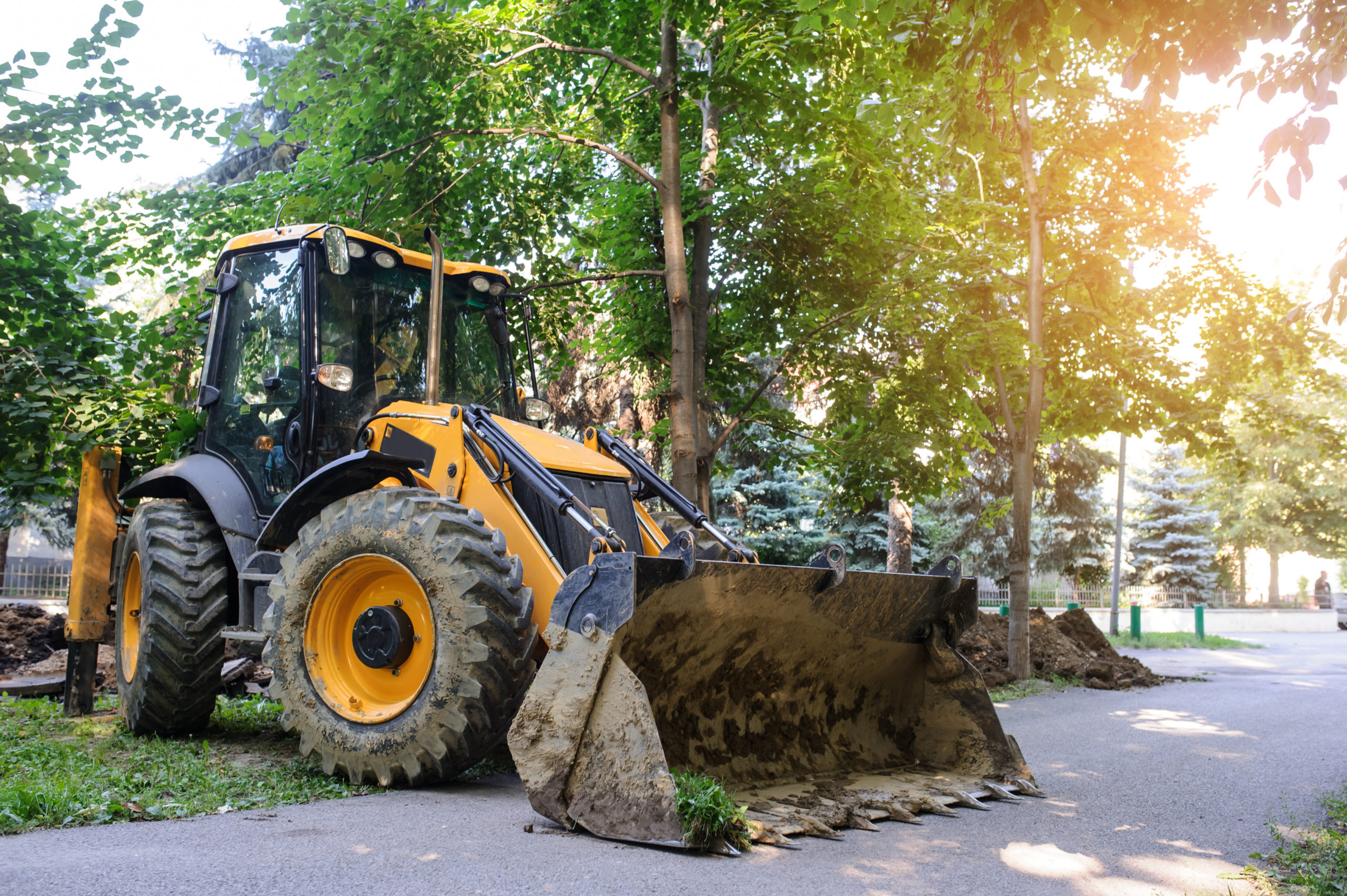
When you think about excavation services, do you think of digging holes and moving dirt around? Maybe you're not sure what excavation contractors do at all. Let's break down why you would have a need for excavation companies and how their expertise contributes to various construction projects. You won’t regret hiring excavation contractors for your next project that requires clearing or digging land.
Why You Might Need Excavation Services
Excavation contractors are licensed to operate heavy machinery that will be beneficial for removing large trees and boulders in order to dig or clear land. Look for an excavation company that highlights their experience with commercial and residential excavation services.
Foundation Excavation
When it is time to build a home, the first step is to clear the land and dig out the foundation. If you are building a house with a basement, the hole will be deeper than other foundations. Your excavation contractors will ensure that the land is free of water lines or gas lines before digging.
Once the foundation area is cleared, you will be ready to pour the foundation. Excavation contractors are the right team to call so that they can get the foundation prepared efficiently and professionally.
Parking Lot Excavation
A commercial business may be ready to add a parking lot to their building project. Not only do you have to clear the land of any trees, plants, and rocks, but you also have to level out the earth. Talk to your excavation contractors about clearing and leveling the land to be ready for pouring asphalt or concrete for a parking lot.
Pool Removal
Have you ever hired excavation companies to give you a quote on pool removal? When you have an old, unusable pool in the backyard, it can require more money to keep it up than it would cost for a total pool removal. Excavation contractors can take care of your pool removal to save you money in the long run.
The contractor will assess the situation and start by draining the pool, breaking up the fiberglass or concrete, and removing the pool chunk by chunk. This process requires specific excavation equipment.
Yard Expansion
It may be time to clear an area of your property for everyday use. Maybe you imagine an expansive lawn area where you can play football or soccer. Or you may hope to create a garden to grow your own vegetables. No matter the reason for the excavation, the contractors will know all about leveling and smoothing out the soil.
They will also have knowledge on adding topsoil to a leveled-out yard space to promote the growth of grass and plants. Excavation companies have experience in ensuring that once the project is complete, the land will be safe and prepared for whatever greenery you’ll want to add next.
Foundation Slab Removal
It's possible that you are removing an old garage on your land or have plans to level a current home to build a new house on the property. Because the foundation is built in such a long-lasting manner, it requires excavation contractors to remove the foundation slab.
The team will come out and assess the situation and bring excavators and backhoes to get the job done efficiently.
Basement Addition
Some homeowners choose to add a basement to their homes. This addition can be an extensive project. If the home has an existing crawl space, that can be expanded out into basement space. Either way, adding on a basement requires careful digging skills so as not to disturb the house's structure that sits atop the basement.
Excavators will take care of all of the details, consulting with you about whether a basement addition is even possible for your current home. Sometimes you will do whatever it takes to expand the space in your home so that you don't have to move, and an excavation expert can help see if it’s possible to make your current home the home of your dreams.
Drainage Systems
Another reason why excavation is vital is to set up drainage systems. If your property is not graded correctly, the water can pour into your home, causing flooding or damage to the foundation. In addition, pooled water can attract bugs, drown plants and grass, and lead to destroyed landscaping efforts. An excavation team can resolve this problem by installing various types of drains.You may be familiar with french drains or land grading that will keep water from flooding your property. Excavators will be able to see what type of drainage system will work best for your property.
Soil Remediation
If you have an oil spill on your property, excavation companies can take care of cleaning or replacing the soil. A soil remediation specialist is educated on what kind of soil to bring in for your property. The topsoil is the most nutrient-rich soil and is the top layer. Next is the muck, a mixture of dirt and small rocks below the topsoil layer. Then you have more rock and earth to get through before you reach the water table. Sometimes the rock layer is right below the topsoil, which can complicate a simple project.
Your excavation contractors can take care of all soil remediation needs that you might have, ensuring that they backfill your property with the right soil to help your plants thrive in the future.
Necessary Excavation Equipment
Excavation projects are not for the faint of heart, and you will not get far with only a shovel and wheelbarrow. Typical equipment used by excavation companies includes:
- Excavator
- Backhoe
- Dump Truck
- Digger
Excavation Based on Project Size
When you meet with an excavation contractor, you can learn more about what excavation will look like specifically for your project. Here’s how excavation changes according to the size of the project.
Small Projects
Small excavation projects include clearing brush from a backyard, digging a foundation for fence posts, or building a retaining wall. These more straightforward projects require a mini excavator to get into the small spaces.
Mid-Size
Mid-sized projects include clearing and digging the land for a new pool installation, trenching or setting up for a sprinkler system, or site preparation for a new build. When these are done on the residential side, they are considered mid-size. However, a commercial pool or sprinkler system can be regarded as a large undertaking.
Extensive
Excavation contractors can be found on massive projects for the development of apartment buildings or offices. You can also count on excavation companies to build new roads, railways, and water management systems. Excavation is required in almost every construction project.
It’s possible that you looked into hiring excavation contractors before reading this article and did not understand what they really did. However, now that you know the work that excavation companies perform and how important their work is, you can better understand how important it is to hire professionals for your excavation project.
Hire Professional Contractors
For years, Mikula Contracting has been a prominent contractor in the New Jersey area. We are familiar with the area and the needs of the local homeowners and business owners. Our team will build a relationship of trust with each client we serve. You will always know you can trust Mikula Contracting with your excavation needs.
We have the experience you need for any excavation work that comes your way. Let Mikula Contracting be your trusted excavation contractor. Our full-service solutions will save you from hiring multiple contractors for your various construction projects. In addition, our customer service is top-notch, with every customer coming back for more. Contact us today to get started.
5 Reasons to Hire a Professional Excavation Contractor
5 Reasons to Hire a Professional Excavation Contractor
You may see all the DIY projects on TV and Instagram and decide that you can take on a number of projects by yourself. But when it comes to excavation work, that is in a category of its own. For example, taking on the excavation of a concrete slab or an in-ground swimming pool can cause irreversible property damage. Instead of risking a disastrous construction project that will likely result in calling on a professional excavation contractor for help anyway, you can start the project right by calling them from the start.
Read on to learn about the reasons to hire a professional excavation contractor.
Top-Notch Equipment
When you hire a professional excavation contractor, you won’t have to worry about how you’re going to level out a piece of rocky soil or dig out a foundation on a construction site for your home. In addition, you won’t need to purchase fancy machinery or tools when professional excavation companies have their own top-of-the-line equipment.
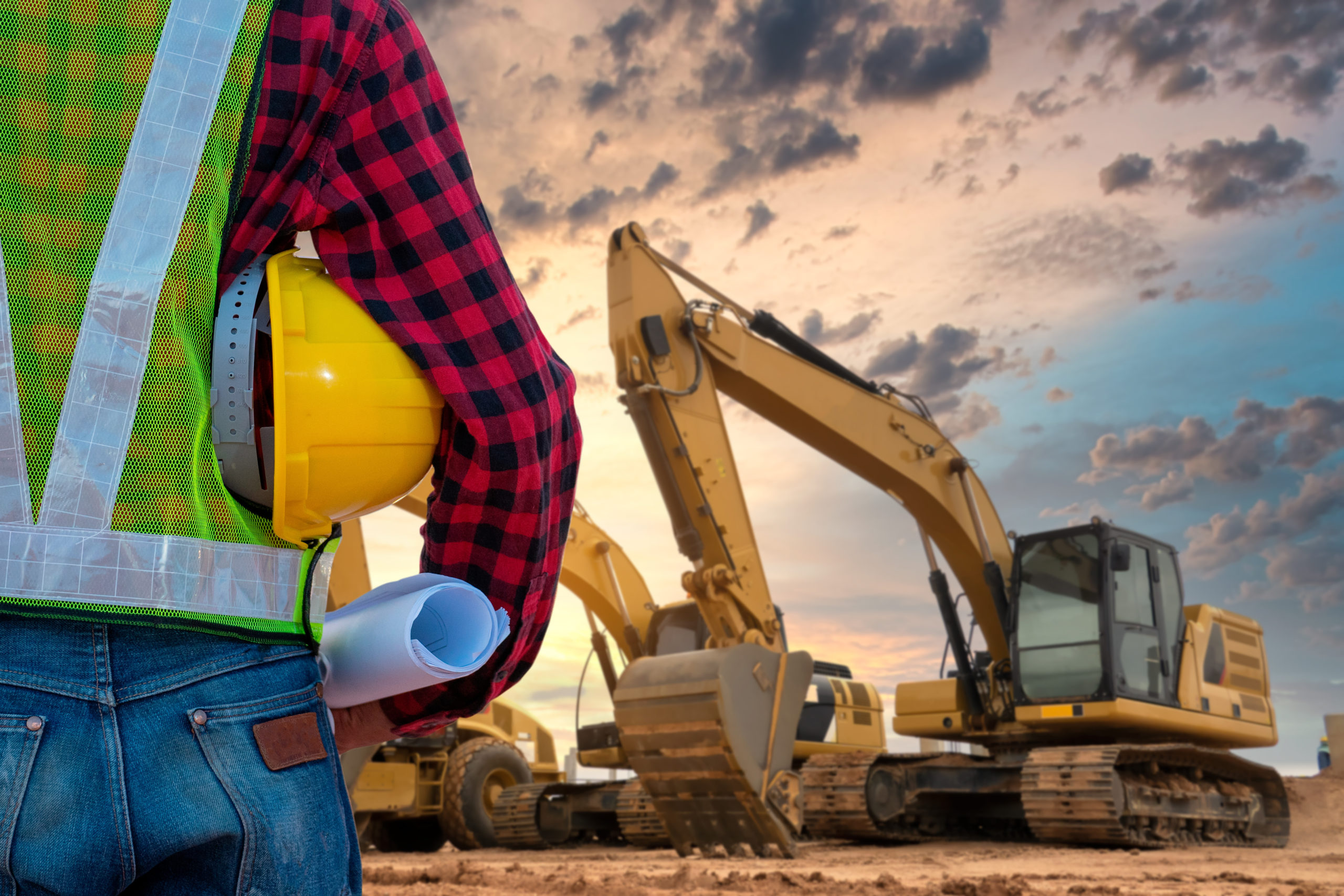
One of the reasons to hire a professional excavation contractor is that they won’t just rely on a pickaxe and a shovel to break up your old fiberglass swimming pool. An excavator, backhoe, front-end loader, and cranes are just a few pieces of machinery that a professional excavator would have on hand. The team is trained to operate this machinery safely.
With the proper equipment, your project will go from a weeks-long endeavor to something that can be done in an afternoon. Hire a professional excavator to get the job done efficiently and correctly.
Insurance
When you invite a skilled excavator onto a building site, there is a possibility that things could go wrong. An excavating company with years of experience will only allow people on the excavating job that are covered by insurance. One of the many reasons to hire a professional excavation contractor is their insurance. Ask professional excavation services about their safety and insurance policies before hiring them. How they answer the question will reveal the quality of the company and how prepared they are. Hiring an excavation crew with proper insurance will reduce the risk of accidents during your excavation project.
Also, insurance will cover any equipment or property damaged during the project. For example, if you dig and hit a water line, insurance will cover those costs to fix the city water source.
Expertise and Training
As you may wonder what reasons to hire a professional excavation contractor, you must first know that excavation services require much more than digging a hole. Excavation services are vital to preparing land for a big construction project or cleaning out an oil spill. If you skip your due diligence in getting the excavation piece of your construction project done right, the whole project may have severe consequences.
Here are some examples of projects that would serve as reasons to hire a professional excavation contractor:
- In-Ground Pool Removal: Use an excavation team to remove the large, heavy pieces of an old decrepitated pool. The team will finish the project from the pool removal to the backfill of the proper dirt, compacting the soil, and leveling the ground once the project is over.
- Removal of an Underground Oil Tank: Let an excavation team handle the sensitive project of removing an underground oil tank. An oil spill is the last thing you want on your property. They can take care of this project safely and professionally.
- Removal of a Concrete Slab: You may have an old concrete slab to remove that was under an old garage or shed on your property. This is a reason to hire a professional excavation contractor to break up the slab and remove the chunks of concrete without hitting underground gas lines or causing damage to your property.
- Digging a New Foundation: If you are building a home that you would like to last for hundreds of years, it’s a good idea to make sure you get the foundation right. Let this be a reason to hire a professional excavation contractor.
- Leveling Rocky Soil for Construction: An excavation team can prepare the land for a construction project by removing trees and leveling out the rocky soil.
- Clearing the Soil after an Oil Spill: Another of many reasons to hire a professional excavation contractor is soil cleanup. For example, an excavation team can remediate the contaminated soil and backfill with fresh, clean material.Let the professionals take on these complex projects for you. You will end up saving money in the long run when you don’t risk the dangers that can come with a DIY construction project.
Safety
Along with having insurance, the reasons to hire a professional excavation contractor include the safety procedures that an excavation team will be prepared to implement. They will have a map of nearby gas and water lines. They would have safety measures in place if they were to accidentally hit a gas source. When you hire a team that wears proper safety protection and knows what to do when something goes wrong, you reduce the risk surrounding your excavation project.
Excavation Mistakes Can Be Costly
If an excavation mistake were to occur during a DIY project, the error could lead to thousands of dollars in repair, not to mention reparation for a person’s injury or life. Imagine some risks that come with excavation work, like a pit collapsing in on machinery and workers, hitting an overhead power line, or hitting an underground gas line. Be sure to consider these risks and how to mitigate them all as a reason to hire a professional excavation contractor
Call Mikula Contracting for Professional Excavators
Our team at Mikula Contracting wants to help you with your excavation project. With years of experience working on various excavation projects, we have the equipment and safety measures that will bring you peace of mind. So don’t delay – contact Mikula Contracting today to schedule your project.
What is the Average Cost of an Excavation Project?
What is the Average Cost of an Excavation Project?
Excavation projects come in different shapes and sizes, and there are many factors that go into the average excavation cost of a project.
The average excavation cost for a commercial excavation will depend on the type of project, the extent of the project, and if it is a residential or commercial property. Whether your company is going through a major development or expansion or if an environmental cleanup is necessary, there are various factors that go into determining cost.
Certain projects are similar for commercial and residential projects, like pipe repair or drainage issues.
If the water line to your building or home stopped working, it could require excavation services to repair it. This ensures that workers can access the affected line without causing further damage.
Perhaps the water line burst and has caused excess water. This can damage your foundation and create health and safety issues.
With so many plumbing, electrical, and septic systems located underground, excavation services are usually necessary to fix problems in these areas.
You may also need excavation services like:
- trench shoring
- underground utility installation
- oil tank removal
The average excavation cost for residential projects is typically less than a commercial project. However, the cost breakdown is similar.
The Average Cost of an Excavation Project
As mentioned above, there are several factors that can affect excavation costs. With that, it is hard to determine the exact cost without getting a quote directly from an experienced residential and commercial excavation company. However, typically, the average cost ranges from $50 to $200 per cubic yard. However, again, the average cost can vary depending on other factors.
Breakdown of Costs
The type of excavation is going to determine the cost factors, but some costs are a given no matter the type of project.
Permits are a standard cost. Permits are generally required before undertaking an excavation project that could disturb the surrounding environment. Most excavation projects require permits from the city or county to ensure the project is being completed safely and up to standard. Part of the permit cost may also include a site survey to ensure there are not any electrical or plumbing lines that will be impacted by the project.
The excavation of the soil is a standard cost usually per cubic foot or cubic yard. If the project is removing topsoil, the cost may be calculated in square feet or square yards instead of cubic.
Depending on your project, you may have the same company doing grading and other prep work that may add money to the cost of the project, but save money by having the same company do the work. Additionally, the work might get done faster by not having multiple companies doing different parts of the project.
Soil remediation may be a cost or it may be the basis of your project. Soil remediation is the process of removing or replacing the soil to get rid of contamination. Soil contamination occurs when toxins get mixed with the natural compounds of the soil.
If you have had a spill or discovered improper waste flow on your property, you may need soil remediation to restore the safety of your land.
Some common soil remediation strategies include bioremediation, soil washing, and thermal desorption. Some of these soil remediation technologies are used to separate out the chemicals.
Sometimes it may be necessary to remove the contaminated soil and replace it with clean fill, especially if you do not have the time to deal with bioremediation.
Another standard cost for excavation is dirt removal. Both commercial and residential excavations have the option of reusing the dirt on-site. However, if there is not enough space for the amount of dirt being removed, or you cannot use all of it on your property, there is a cost for hauling and disposal.
There are a number of factors that can drive up costs that may be unexpected. Besides soil remediation for unexpected contamination, you may end up finding unexpected challenges during excavation.
Having to move large boulders, rocky soil, or running into potentially long-buried things can complicate your excavation project and increase the cost.
Prices Depending on Size of Project
Regardless of whether your project is commercial or residential, it is the size of the project that is going to determine the price. Clearing a large piece of land or digging deep into the ground is much more expensive than topsoil clearing and leveling for the installation of a pool.
Pool removal is a prime example of variables based on the size of the project.
- Before the removal of any inground pool, whether residential or commercial, it must be drained.
- The bottom of the pool, as well as the sides, will be broken up into small pieces and transported off your property. Properly disposing of the waste from the pool involves recycling concrete, treating the water for reuse or disposal, and disposing of or recycling other equipment connected to the pool.
- Of course, a commercial pool is going to have more water, more chemicals, and more waste than a residential pool. Either way, junk removal is a lengthy process and should be included in the cost of your pool removal.
- After that element is completed, you will have a hole in your property. A variable cost factor is how much backfill material is required to fill the hole. Compacting and leveling is a standard service that should not fluctuate too much based on size.
One cost factor that may be impacted by the size of the project is labor. Larger projects take longer and require more manpower on-site. This is another increase in the cost of the project.
Equipment is a variable factor. The larger the project, the more heavy equipment is needed. However, larger equipment is needed to complete the project quickly and safely. Larger equipment can also increase costs due to additional safety measures and the need to have specially trained operators.
When considering an excavation project, you may want to consider a company that has a wide range of expertise in different types of excavation and offers a variety of services so that you do not have to outsource multiple parts of your project.
Get multiple estimates from different companies. Ask for recommendations from local hardware and home improvement stores. Talk to your neighbors, check your local social media pages or groups, and access websites that provide ratings for companies.
Once you’ve selected a company, ask detailed questions about their experience and equipment. Verify their certifications, insurance, and licensure. Request a contract or agreement that specifies the work to be done and the rates to be charged. Make sure you have agreed upon estimates for unexpected hiccups in the project.
Get a Quote From an Experienced Excavation Company
At Mikula, we specialize in providing exceptional professional and residential excavation services. Call us today to get a quote for your project today.
How Much Does It Cost To Excavate Land?
How Much Does It Cost To Excavate Land?
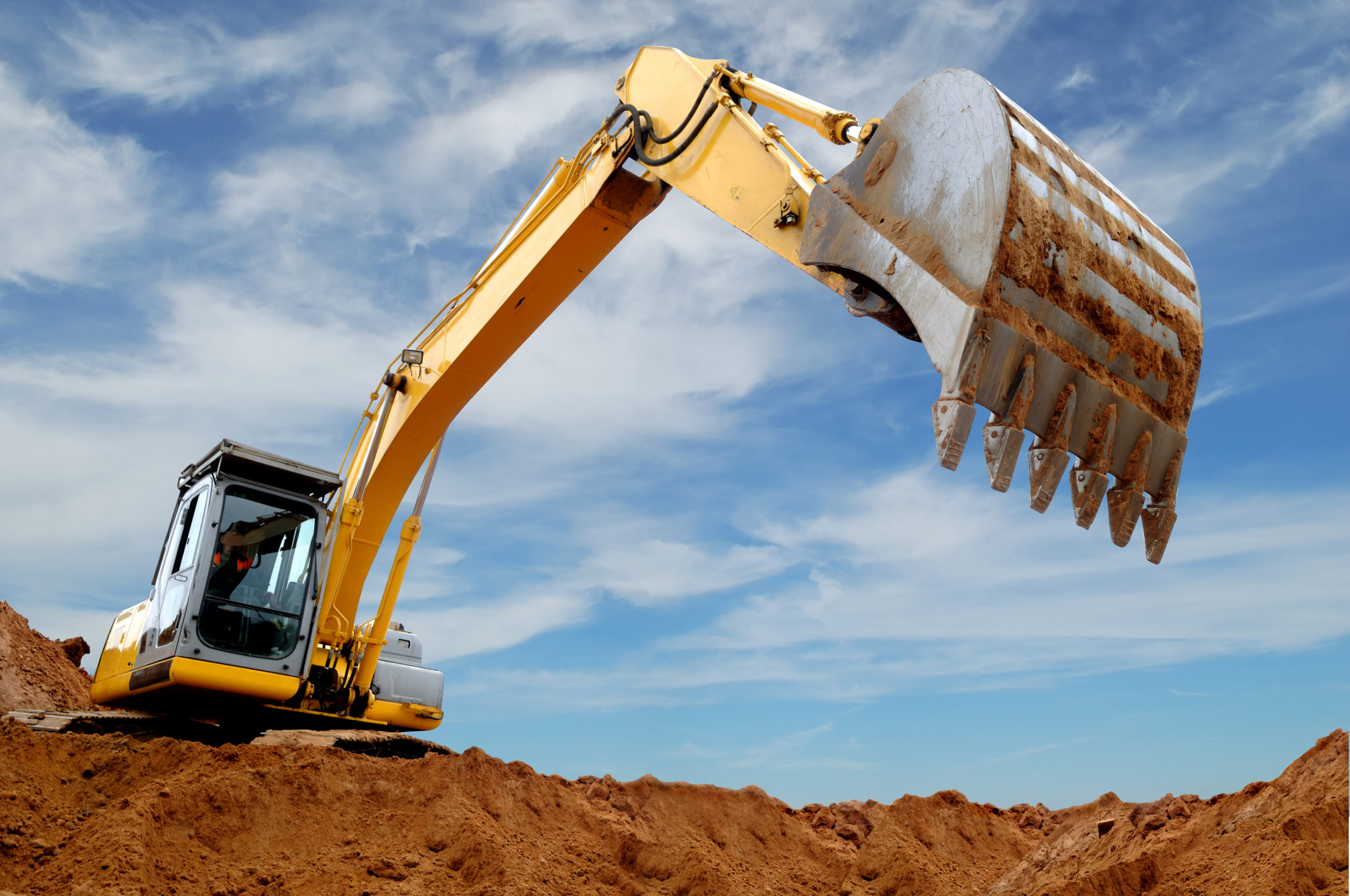
There are many different reasons that you may need land excavation done. Anything from simply digging a hole to see if you can find a leak in one of your underground pipes to larger projects that entail heavy machinery and a full team can be considered land excavation. Depending on the size of the project, you could end up paying a large amount of money for a project to get done.
If you have never had land excavated before, you may still be researching what a land excavation project entails and how much does it cost to excavate land?
We’ve got the answers you need so that you can make sure you’re getting the right work done for the right price.
Types of Excavation Projects
The cost of your land excavation is going to depend primarily on what type of excavation you need to be done. This guide is a great indicator for the scope of the project which will affect what types of machinery, price per square foot, and, ultimately, the total cost of your land excavation project.
One way that experts classify the different types of land excavation is by the types of materials that are being excavated. The main land materials that are commonly excavated are:
- Topsoil- Topsoil is the outermost layer of soil or dirt. This layer supports and includes vegetation, meaning that the material being excavated here is moister than other types of material. This is important to remove as quickly as possible, making it the first step in any land excavation project.
- Earth- Earth is classified as the layer underneath the topsoil. This is generally removed using a scarper but may include rock and boulder materials that require the use of a drill for removal.
- Muck- Muck is any earth material (topsoil or earth) that has a high concentration of water. As the name suggests, this includes things like mud and undesirable soil. Since it is so unstable, it’s often spread out over a larger area, allowing it to dry before it can be used for anything.
Here are a few of the most common types of excavation that both residential homes and commercial properties alike may need to be done at some point or another.
- Securing Foundation- This type of land excavation is necessary for any building, whether it be a home, a small business, or even a huge office building. If you’re building a new home, the most important part of it is the foundation. In order to build a solid foundation, a large amount of soil must be removed to make space for pouring concrete, ensuring a level surface for the rest of the construction.
- Drainage Solution- To avoid things like flooding that could cause damage, it’s recommended to have some sort of drainage solution that leads rainwater away from the property. In order to do this, however, land excavation is necessary to make way for a pipe or seepage pit installation.
- Pipe Damage- One of homeowners’ and businesses’ biggest fears when it comes to their home is a pipe leak or break. When this happens, it can lead to flooding and severe water damage to your property. If your pipes are damaged, you will need professional land excavation to get to those underground pipes so that they can be repaired.
- Environmental Cleansing- For a variety of reasons, the soil surrounding your business may become contaminated with things like sewage or improperly disposed waste. When this occurs, the soil must be removed to prevent the contaminated land from causing environmental or even health problems and also needs a team of general contractors to ensure the land is removed and disposed of properly.
As you can see, on top of the square footage and equipment used, issues like toxic materials and types of soil affect the overall cost of any particular land excavation project.
What also factors into total cost here is how the contractors or company you hire choose to charge for each project. It’s generally up to them, based on the scale of the project, cost of labor, and equipment used, to decide by what metric they will charge.
- In general, the hourly price of land excavation will run from $100-$180.
- If you’re being charged per cubic yard, your costs could be anywhere between $50 and $200.
- Yard grading typically starts at about $1,000 per project but could cost up to $6,000 and beyond.
- Equipment charges can cost from $100 to $150 per hour depending on how much heavy equipment is needed.
Of course, these charges also vary depending on the type of project that needs to be done. The price for something like a residential swimming pool excavation, for example, can vary greatly depending on whether your land is mostly soil or rock, making it a much larger investment for some than for others.
How to Know if You’re Being Overcharged
Keep in mind when asking yourself, "how much does it cost to excavate land" that the price of land excavation is not only dependent on the quality of the team - it is also dependent on the quality of land they are working with and the scope of the project.
Ultimately, the best way to know if you’re being overcharged is to compare the cost with other local top-rated contractors and read through each company’s reviews. You can always get multiple bids on your project and hire the contractor that seems like the best fit based on your research, their portfolio of work and quality of customer service.
Contact a Trusted Contractor for Your Land Excavation Project
At Mikula Contracting, we’ve successfully completed countless commercial and residential land excavations across New Jersey. When you work with our team, we’ll not only take care of all permits and inspections, but we’ll also make sure your excavation project is completed on time and within budget. Contact us for a quote today.
What is Test Pit Excavation?
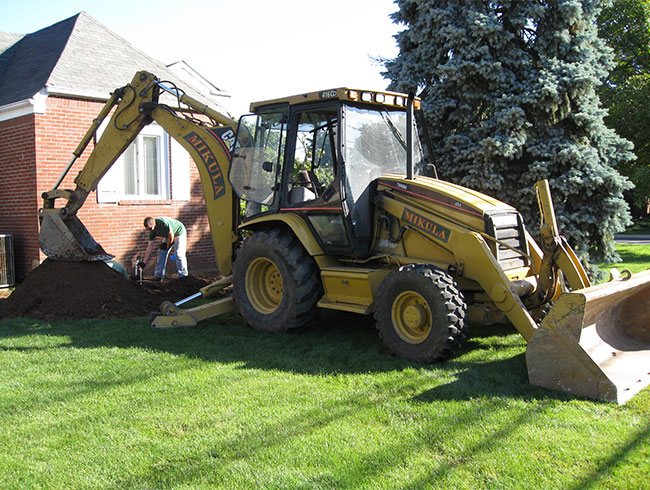
When you are ready to start new construction, you may already be aware that the site must first be inspected and evaluated. But where do you start? One of the best ways to gain a sampling of the soil is through test pits and trenches. What is a test pit? The short answer to what is a test pit is when an excavation team digs multiple holes or trenches on the property to collect samples of the soil.
Let’s explore this further.
What is Test Pit Excavation?
A big part of site investigation before building on the land is test pit excavation. When you ask, what is test pit excavation, you will find out why you need it.
An excavation team will carefully take samples of the soil, digging a few feet below the projected construction dig. And then, the soil will be evaluated for rock ratio, the softness of the soil, and contamination.
Here are some things that a test pit excavation can discover:
- Layer of Shallow Rock: Some areas of the country have layers of rock right under the shallow surface of the soil. When a contracting team knows about the rock that will need to be dug out, it can prepare by using different equipment and altering the timeline for the project.
- Water Table Location: The water table is a layer of water underneath ground soil. It is when soil is considered compact without oxygen flowing through it. The water table can change with the seasons, but it is always an asset to know where it starts on your construction site.
- Soil Contamination: If there were an oil spill or hazardous chemicals in the soil from a previous time, you would want to know about it before building a residential or commercial building. Contaminated soil can be detrimental to the public and is not a suitable growing area for plants and vegetation to grow. Imagine finding out about contaminated soil at the end of your construction project. It would be damaging financially.
- Potential for Growth: Contaminated soil is not the only earth that plants will not thrive on. There are types of soil that are very dry and rocky that will not grow greenery easily. You can find that out through test pit excavation. And then you can bring in your own clean fill to fix the problem.
When you find out, what is a test pit, you can discover so many things. It is vital to conduct test pitting services before a big construction project to avoid a setback when so much money has been invested.
Why Choose Test Pitting Services?
Say you were to find out what is a test pit after you started on construction? If you start without knowing what is a test pit, then you may have invested a lot of money in a land that is filled with contaminated soil and required soil remediation. Or you may find that the earth is susceptible to landslides or sinking and will not offer a solid ground for a building.
When you hire a geotechnical engineer to show you what is a test pit, you will learn about the soil before starting the project. Then you don’t have to put the timeline on hold when you discover setbacks with the ground late in the construction process.
Is a Test Pit Always Needed?
Is it widely known what is a test pit in the construction business? Many contractors have learned their lessons when finding out late in a project about a problem with the soil. Test pit excavations are needed on any project that you would like to avoid surprises.
The more you know about the land before starting construction, the less money your project will cost. Also, because you are prepared on what is a test pit and how it will teach you more about the soil, you won’t have any surprises come your way during construction.
Who Benefits From Test Pit Excavation?
What is a test pit, and who benefits from it? If you are a contractor, homeowner, or commercial landowner, you will benefit from test pit excavation.
Mikula Contracting has been in business for over 70 years serving the Northern New Jersey communities. We have built a reputation of trust, expertise, and care over the years. You can enlist our team for help in your test pit excavation.
We also offer other excavation services:
- Removal of Large Equipment or Structures: Whether you have a garage or swimming pool to be removed, our team can take care of it. Large structures like underground oil tanks or playgrounds are part of our excavation services.
- Addition of Clean Fill to a New Construction: Leveling land includes filling in parts of land that are lower than the rest of the area. Our certified clean fill is exactly what you need to get your land up to grade for your new construction.
- Removal of Dirt for Leveling Land: When you think of excavation services, you may picture a large excavator moving dirt around. Your childhood fantasies can come to life when you discover that’s what we offer at Mikula Contracting. We move dirt. Let us take large amounts of dirt off your hands so that you can start on your contracting project.
Our team is happy to meet your excavation needs in New Jersey. You can count on us to prepare your land for new construction by knowing what is a test pit, building test pits and trenches, testing the soil, and soil remediation and removal. If you need new earth brought in for a project, you can rely on us for certified clean fill.
NJ Test Pit Excavation Contractors
At Mikula Contracting, you can find trusted test pit excavation contractors. Our team is experienced in test pits and trenches and can work to get you the results you need before starting new construction. Contact us today to ask all of your questions. We want to help you understand what is a test pit and use it to your benefit.

Best Ways to Remediate Contaminated Soil
If you are watering your plants, exposing them to ample sunlight, and not seeing the plant growth you expect, it’s possible you are dealing with contaminated soil. You may wonder how to remediate salty soil? First, you need a soil test to determine what kind of remediation would work best.
You can see some signs of salty soil and the need to find out how to remediate salty soil if there is a white crust on the soil when it is dry. Other contaminated soil may be from an oil spill and would require environmental cleanup services.
Soil Remediation Types
In order to find out the salt content in your soil, you need to have it tested. There are three types of salt-affected soils: saline, saline-sodic, and sodic soils. Saline soils are the easiest to correct, while sodic soils take more extensive remediation.
- Saline: With saline soils, you will see a white or light brown crust on the soil surface. This is a sign that it’s time to find out how to remediate salty soil. In addition to sodium salt, saline soil contains magnesium and calcium salts that offset the adverse effects of the sodium salt. This is why the salinity problem is the easiest type to remediate.
- Saline-Sodic: This kind of soil has a significantly higher amount of sodium salts in it. Soils with high sodium salt are more difficult to remediate. It can take a combination of methods to first chemically treat the soil, then use water to leach the salt and remove it. That’s why you need to find a trusted contractor who knows how to remediate salty soil thoroughly.
- Sodic: Sodic soil contains a high amount of sodium salts and a low amount of soluble salts. This results in the soil clays being sticky when wet but hard and crusty when dry. In addition, salts accumulate in the soil, making it a terrible environment for the plant roots.
When there is a high salt level in the soil, the water is pulled away from the roots and back into the soil. So no matter how much you water your plants, they will not get the water they need to grow. Then it’s time to learn how to remediate salty soil and take action.
Thermal Soil Remediation
One method of how to remediate soil is through the use of heat. When you apply the heat to the soil, it turns the contaminant into a gas, releasing the gas into the air. This is most often done with oil remediation. The soil is placed into an oven, where the heat is turned way up. The oil turns into gas and floats away. Then the soil is replaced when clean to be used again.
Thermal soil remediation can be used when the contaminates are well below ground. When the heat is applied underground, excavation wells are built for the gas to escape. That way, the contaminant can be removed below the root zone and not be a problem in the future. Thermal remediation is a widespread method for clearing contaminated soil.
You can use this method to cleanse the soil of contaminants both above and below the water table. In addition to using thermal remediation for how to remediate salty soil, it is also used to clean pesticides, chlorinated solvents, naphthalene, and petroleum hydrocarbons.
Encapsulation
Encapsulation does not remediate the soil but instead creates a barrier so that the contaminant does not spread further. Think of it as placing an invisible shield around all the contaminated soil. As the water circulates through the soil, the contaminants will not leak through.
The most common form of encapsulation is mixing the bad soil with lime, cement, and concrete. Then, the soil cannot be combined with any other soil. But keep in mind that it is only helpful on soil that is never to be used again for growing.
While this method is effective in its purpose, it does not recover the soil. Stopping the spread of contaminants can be helpful, but the ground will be warranted unsafe for growing or planting.
Air Sparging
This method is mainly used when toxic gas or vapors have contaminated the soil. The process involves highly pressurized air being blown into the soil to remove any gaseous contaminants.
Air sparging does not involve the removal of the soil for treatment. The large volumes of pressurized air flow through the soil, replacing the toxic gas with new, clean air.
Air sparging is mostly used for hydrocarbons and is a proven method for soil remediation. Because the soil does not have to be removed for treatment, it saves a few steps in the process.
Bioremediation
Instead of using a mechanical method to remove the soil contaminants, bioremediation involves engineered bacterium that feeds on the contaminant. The bacterium is released into the soil, consumes the contaminant, and dies off on its own.
This effective soil remediation process does not require the removal of dirt. But it does require very specific conditions. For example, the soil must be 70 degrees F with little rain. Of course, you can cover the soil and try to create the ideal condition. But in order for the engineered bacterium to do its thing, it will need to be in an optimal environment to work in a timely manner.
Proper Drainage
One way of how to remediate salty soil is first by tilling the soil, breaking up the large blocks of clay—then increasing the irrigation water to flush out the salty soil. The amount of water that flows through your soil will affect the soil’s health.
You can till deep into the ground and water the soil continually to see improvements in the salt concentrations over time.
Leaching
When it comes to removing salts in the soil, leaching is an excellent answer to how to remediate salty soil. Leaching is the process of adding salt-free water to the soil to flush out the salty soil. If you are working with saline soil with proper drainage, you will be able to remediate the soil through leaching.
In some cases, you will have to apply 48-acre inches of water to result in thorough results. First, test the water you are pouring in to be sure it contains no salt content. A 1-acre inch of water is enough water to cover a whole acre an inch deep. 48-acre inches can be necessary to flush the water out down past the root level.
When you get your oil tested by the laboratory, they will tell you if leaching can be an effective method. They can also determine how much water will be needed to clear the soil of the salt content.
Leaching can be performed a few times to ensure that your soil is cleansed from the saline and ready to grow plants. However, leaching is effective on saline soil only. Saline-sodic and sodic soil will need to undergo a preliminary step before leaching works to cleanse the soil.
Evaporation Reduction
Another method for how to remediate salty soil is to reduce evaporation. When you add mulch to the soil, it reduces the amount of evaporation and, therefore, reduces the salt level in the soil. Healthy, thriving soil includes adding mulch to the soil periodically.
Chemical Treatments
Saline-sodic and sodic soil need to experience chemical treatments before leaching is applied. This is because these soils contain too much exchangeable sodium content. When you add calcium in a soluble form, it will change the salt to soluble salts.
Gypsum is the most common calcium treatment when it comes to treating sodic soil. Altering the soils to be susceptible to leaching is a great way to remediate salty soils. Of course, it is an extra step to treat the soil chemically. But it beats removing the soil and replacing it altogether.
Combination of Remediation Methods
You will often find that you need to use a combination of methods to remove salt from your soil. Meet with a contracting team to get started on your project. They can work hand-in-hand with a testing facility to determine which processes are needed to get your soil back to best growing conditions.
Whether you are looking to build on unknown property or have a suspicion that your plants aren’t growing because of salty soil, you can take action. Soil remediation is necessary to reinvent the ground that you own and make it suitable for growth.
Not only is it safe and necessary to look into the state of the soil on your property, but you don’t want to be limited to not being able to grow grass, plants, and shrubbery. Salty soil can be remediated, and the process can be simple in many cases. Do not hesitate to contact a trusted soil remediation contractor today.
Soil Remediation Contractors in NJ
At Mikula Contracting, we can assist in the process of soil remediation. We excel at digging proper test pits then we work with our trusted environmental firm partners for proper environmental testing and remediation, you can count on our team to get the job done right.
Our team at Mikula Contracting is trusted in the industry. We specialize in excavation, remediation, and demolition. We are trained in safety practices and have the proper equipment to perform your soil remediation project with ease. When you call, you can ask any questions, and our team will confidently answer.
It is important to Mikula Contracting to build relationships with the customers they serve so that you can rely on them for future projects as well. There is nothing better than knowing you can rely on your soil remediation contractor.