How Long Does a Commercial Pool Last?
On a sweltering day when the sun feels like it’s about 10 feet over your head, there is nothing quite as nice as jumping into a pool. Whether you actually swim, float, or just submerge yourself up to your chin, once you’re in, you don’t feel like getting out for a while. A pool can be a big reason why people go on vacation. Heck, entire resorts have been built around their magnificent pools. They can also be a big draw for apartment complexes and even senior living communities.
The problem with pools, however, is that they require a lot of work to maintain and they don’t last forever. Over time, a pool’s many parts will wear down, wear out, and need to be fixed or replaced. Here are some guidelines for how long you can expect pool components to last before action needs to be taken.
Concrete shell
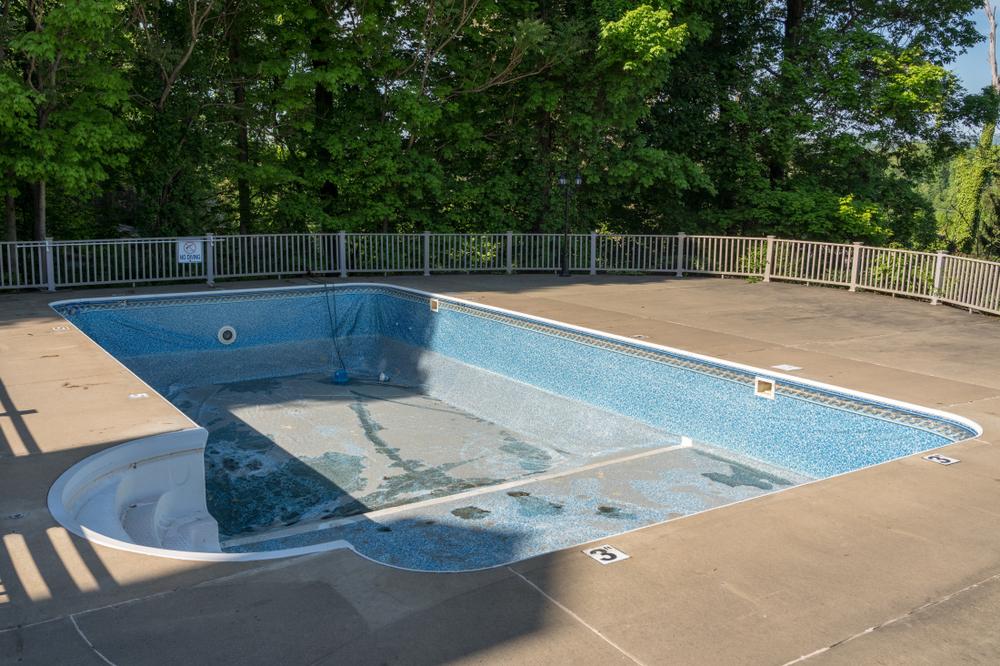
The most important part of the pool is the shell, which is its foundation. Generally, this is built with solid concrete and rebar. A common issue for older pools is that cracks form in the concrete, which exposes the rebar to oxygen and can lead to rust or deterioration. The concrete shell typically lasts about 25 years before requiring resurfacing or re-tiling and can remain viable for decades so long as they are properly maintained.
Note: Some shells today are made of fiberglass, which has a projected lifespan of 25 years and may need resurfacing after about 10.
Liner
Once the shell is constructed, the liner is put on. In most cases, this is made of a thin but strong vinyl, which makes it susceptible to rips and tears. Harsh pool chemicals can also eat away at it. With proper cleaning and maintenance, a vinyl liner will last around 15 years.
Pump and motor
Pumps are necessary for circulating both water and chemicals like chlorine, and the motor enables the pump to do its job. Because the pump and motor run a lot — perhaps as much as 12 hours a day – they will probably need to be rebuilt or replaced around the 10-year mark.
Filters
A filter system is essential for keeping the pool clean. Most filters use sand cartridges or diatomaceous earth to remove dirt and debris from pool water as the pump cycles it through the system. Even with regular cleaning, these filters won’t be able to do their job properly after a while, and generally need to be replaced every 10 years.
Heater
Though not every pool has a heater, this is a pretty common feature in places like hotels. There are many varieties, including ones that run on natural gas, propane, and solar power. Because heaters may also be used quite frequently and things like chlorine wear them down, their lifespan is usually 8-10 years.
Cover
While pools can be used all year long in some places, they need to be closed for the colder months in most locations. This means they need to be covered. Like everything else with a pool, covers deteriorate due to an accumulation of stormwater, debris, or just being exposed to the elements for extended periods of time. They will need to be replaced every seven years.
When it’s time to close the pool
When you add up all the repair and replacement projects — in addition to daily maintenance — the costs and the headaches can become overwhelming. Eventually, many commercial properties with pools decide to just get rid of them. Aside from the enormous expense, there are also liability issues that can be avoided.
Even when owners decide to move on from their pools, it’s not as simple as slapping a “closed” sign on the gate. You will need to make sure the water it removed properly (most localities have laws against simply draining chemical-laden water into the local aquifer) and the hole must be safely filled in. It’s the last project you’ll have to do on the pool, but one that’s much easier with professional help.
If your pool just isn’t the attraction it used to be and the upkeep isn’t worth it anymore, get in touch with Mikula Contracting. Removing old and possibly dangerous pools is one of our specialties. For a free quote, give us a call at 973-772-1684 or send a message through our online contact form.

Why Commercial Excavations Need to be Green
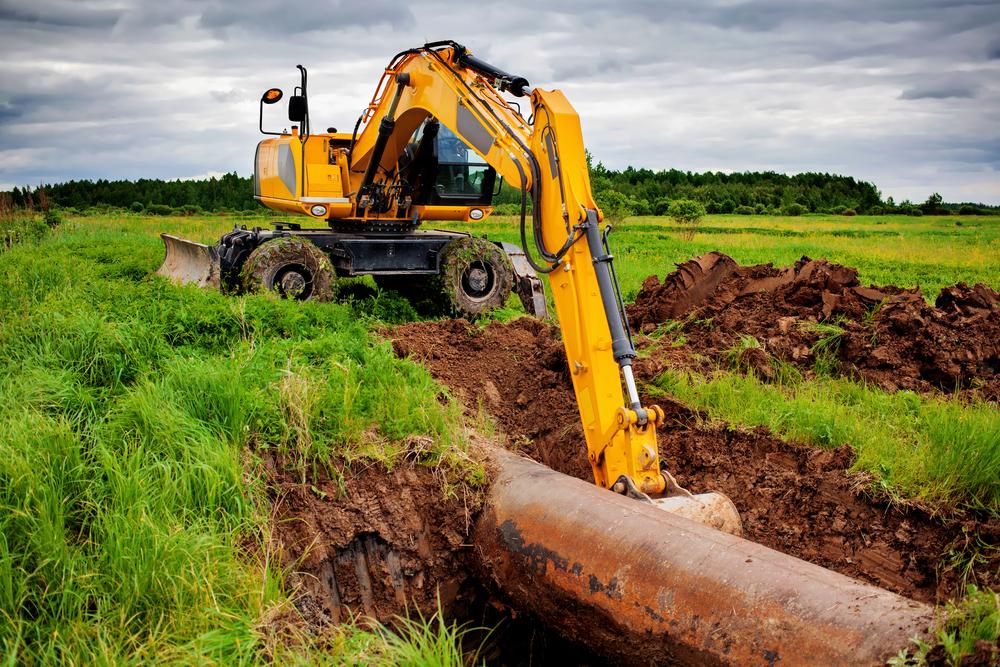
Excavations are a delicate process. Failure to comply with the Environmental Protection Agency’s guidelines can cause lasting harm to the public, the environment, and your business’s bottom line.
There’s much more to a successful excavation than digging a hole and filling it well. Factors like stormwater, pollutants, power conduits, and public safety all come into play.
Every New Jersey excavation needs to be environmentally responsible. Nature is a delicate ecosystem, and even the slightest alteration to the landscape can cause a knock-on effect of damage. The Environmental Protection Agency (EPA) set the Construction and Development Effluent Guidelines and Standards in 2009 to monitor best practices on excavation sites. Here’s what you need to know about those rules and if your excavation makes the grade.
Minimizing soil erosion
Soil erosion is the degradation or complete removal of the top layer of soil. This top layer plays a crucial role in maintaining any ecosystem. If it’s compromised, the land becomes far more vulnerable to pollutants, as do waterways. Excavations always involve topsoil displacement, but the EPA rules mandate that only the project area be affected and not the surrounding land.
A lack of quality topsoil also increases the risk of flooding, and that’s a problem New Jersey already struggles with. Federal codes require that every project implement erosion and sediment controls to limit the velocity and volume of stormwater discharged during a dig.
Stormwater moving in mass and at speed hits topsoil hard, stripping it back (termed “scouring”) or removing it entirely. Special attention must be paid to sloping land, as disturbing soil on a slope can displace a lot of earth. This exposes vulnerable layers of deep soil to erosion and pollution.
Stabilizing displaced soil
Soil disturbed during digs must be stabilized immediately, regardless of whether the construction team has left permanently or only temporarily. There may be site-specific exceptions depending on the project that can require soil to remain disturbed, but these are exceptions.
Soil stabilization is important because wet, unstable soil is a safety hazard to both the excavation team and anyone else in the area. Soil is stabilized by adding either primary or secondary binders, such as cement, ash, or lime. These cause a reaction with the moisture already in the soil to create a binding agent that helps prevent a landslide.
Pollutant control
Factors like oil leaks and spills are common during construction work, but they pose added risk during excavations that expose delicate undersoil. Even soaps and solvents used to clean vehicles are viewed seriously by the EPA because runoff can negatively impact soil, plant growth, and animal life.
Fuels and other potential hazards like construction waste, general human trash, and water from washed concrete (which may have been treated with preservative chemicals) can add up to a significant environmental threat as well.
Particulate matter (PM) is a nearly invisible pollution threat at excavation sites. These tiny particles can cause great damage to human health and the environment, and excavation sites can account for up to 70 percent of harmful PM in urban areas.
PM includes acids, organic chemicals, and man-made compounds from fuels, metals, soil, and dust particles that can irritate the eyes and skin. At its worst, inhaled PM can injure the lungs and heart. Every excavation site must minimize or remove these pollution risks by implementing chemical spill and leak prevention and response procedures.
Protective measures and the cost of non-compliance
Applying the EPA’s Best Management Practices (BMPs) helps excavation sites contain the risks of soil erosion, displacement, and pollution. Some or all of these may be required depending on the size of a dig.
Failure to comply with the EPA’s guidelines has serious consequences. The Clean Air Act exists to prevent issues like particulate matter and exhaust fumes, and the EPA closely monitors runoff. These measures pay added attention to the pollution potential of underground storage tanks, which are a classic problem for many New Jersey excavations.
The EPA won’t hesitate to apply criminal enforcement to any excavation site suspected of carelessly endangering the community or environment, with penalties including years in prison and steep fines. EPA figures are currently:
- For negligent violations: 1 year and/or $2,500 - 25,000 per day. Subsequent convictions 2 years and/or $50,000 per day.
- For knowing violations: 3 years and/or $5,000 - 50,000 per day. Subsequent convictions 6 years and/or $100,000 per day.
Hiring anything less than a seasoned professional firm is a bad move for you, your community, and the environment. The Mikula team will protect your personal interests and do an EPA-approved job.
Let Mikula handle your next dig
Excavation teams face many risks, and the Occupational Health and Safety Administration (OSHA) enforces strict standards for worker safety. Mikula Contracting offers the perfect combination of EPA qualifications and OSHA standards combined with over 70 years of excavation experience. Get in touch to make sure your excavation obeys the law and keeps everyone as safe as possible.
Mikula Contracting, Inc. provides commercial and residential customers with a wide range of excavation, demolition, environmental, trucking, and soil materials services. For more information, call 973-772-1684 or email info@mikulainc.com
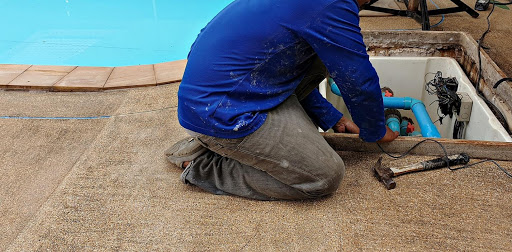
Pool Past Its Prime? Here’s What You Can Do
Commercial pools work overtime to keep crowds happy, and eventually, time and use take their toll on even the best-maintained facilities. Here’s how long you can expect a pool to last and what to do when it’s removal time.
Commercial pools are built to be tough, but eventually, they all need to be removed or replaced. Long-term wear and tear will break down the shell and other components until your building’s pool is more of a hazard than a hot spot.
A pool’s lifespan depends on how well it’s maintained, but things like cracks, loose tiles, torn liners, and necessary landscaping all increase maintenance costs as the amenity ages. A commercial pool with a concrete shell and an attentive owner could see up to 25 years of use, or even longer if it’s made of fiberglass. (Some optimists say a well-tended fiberglass pool could last an owner’s lifetime.)
Concrete designs typically need resurfacing halfway through their lifespan, but they still don’t usually make it past a quarter-century. Concrete also requires more chemical treatment over the years because the porous surface can trap and grow bacteria, and that contributes to its shorter lifespan. Fiberglass is more flexible, which makes it tougher and able to withstand more internal impact as well as hydrostatic pressure.
How hydrostatic pressure affects a pool’s lifespan
Hydrostatic pressure is an environmental factor that contributes to the wear and tear on a pool in a couple of ways.
First, the everyday weight of the water pushes down on the floor of the pool, adding pressure and strain to its shell. Then, after a heavy rainfall or several accumulative showers, the surrounding earth can absorb that liquid and become denser. This adds mass to the soil, which pushes against the pool shell from the outside with that extra weight.
External hydrostatic pressure adds stress when the pool is full, but even more so when it’s empty and there is no water weight within the shell to push back against that force.
It can seem like the odds are against you. A pool full of water is under stress from the pressure on the inside, but an empty or partially empty pool is being crushed by the fluctuating weight of the soil around it. With the amount of rain we get in New Jersey, the ground can absorb a lot of moisture and lean heavily on your pool walls.
Pool removal won’t leave a hole in your grounds
Pools are an attractive addition to a property, and some property owners may worry that removing one will leave an ugly hole in their landscape. But the space is legally required to be filled in safely, and that usually includes some landscaping that will leave an attractive space where the pool used to be. Your grounds can look even better after removing a pool than they did with one.
Removing and disposing of all the water and waste material from the old pool site must be done to NJ state guidelines to avoid pollution and other risks. Complying with these regulations, as well as ensuring that the hole is safely filled in, is a very important part of the commercial pool removal process.
Is your pool past its best? Costs could start to mount for replacing multiple parts and other repairs. It’s better to commit to professional pool removal before you start to sink in repair expenses or, even worse, litigation from injured swimmers.
Weighing removal costs against legal fees and damages
Commercial property owners may ignore or delay a pool removal because they’re afraid it’s too expensive. Take a moment to consider how much more expensive lawsuits can be if the property owner is deemed legally negligent when the pool causes an injury.
Another thing to consider is just how much of a mess, financial and otherwise, could be made if you attempt to remove the pool yourself or hire someone with less than ideal experience. Severed power lines, gas lines, and fines for working without a permit are all dangerous and draining expenses you want to avoid.
Mikula can provide an estimate for your project with just a little information about your pool. The size of the pool and materials used in it will factor into the cost of any removal job, so it’s a good idea to get an estimate before committing to any plan of action.
Ready for a removal? Let Mikula do it right
We handle pool removal for apartments, senior living communities, and hotels throughout Essex, Hudson, Bergen, Passaic, Morris, and Union Counties. Mikula is a family-run business that puts safety first by training all our team members to be OSHA-compliant. We’re fully licensed throughout the state of New Jersey and take care of all inspections and permits to give our client’s peace of mind.
Mikula Contracting, Inc. provides commercial and residential customers with a wide range of excavation, demolition, environmental, trucking, and soil materials services. For more information, call 973-772-1684 or email or email info@mikulainc.com
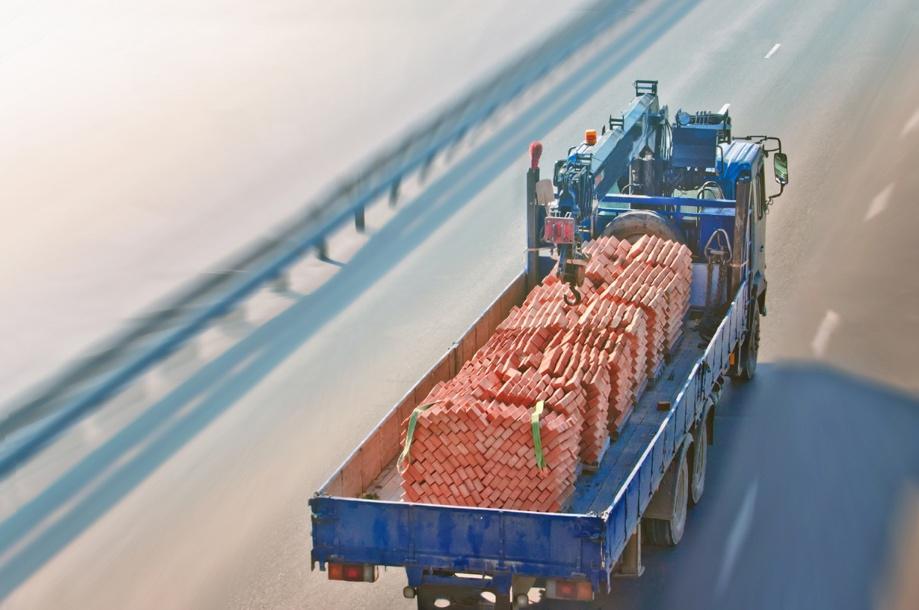
Construction Material Delivery is a Vital Step in Your Project’s Safety
Safety is a priority on construction sites and it starts even before the project breaks ground. Getting the materials to your location is the first step in the process.
It would be great if getting construction materials from point A to B was just a straight run of the road. The reality is that there’s a lot to consider logistically if you want to achieve an efficient and safe delivery. In order to make this happen, you need communication, terrain knowledge, and a commitment to safety procedures.
The Logistics of Construction Delivery
When it comes to handling and delivering heavy materials like concrete, steel, or lumber it’s the safety of the workers that comes first.
Construction drivers are already one of the most at-risk demographics on the road according to some insurers, so they don’t need anything that will further complicate their job. Data from the Bureau of Labor Statistics highlights that even though driving is only one part of a construction job, our industry still faces a great deal of risk on the road.
A high degree of professional expertise is therefore required to get raw materials onto trucks and off to their destination with attention to security and safety. Improper stacking, interlocking, or racking creates the risk of materials sliding around or even coming free of the truck entirely during transit. Materials damaged or destroyed while in transit not only costs the client money but, more importantly, it can pose physical risks to drivers, pedestrians, and public property.
A further problem is hiring a construction firm unfamiliar with your project’s location. This means they’ll have to navigate new ground en route. By the time they reach you, time-consuming wrong turns and other delays could take a bite out of your bottom line.
Here’s a common-sense checklist every good firm will consider when loading and off-loading at the site:
- Equipping delivery operators with the proper knowledge of best safety practices
- Making sure personal protective equipment is worn during delivery (hard hats, boots, gloves, high-visibility clothing, etc.)
- Taking care that delivery vehicles can enter and exit the site with ease and paying close attention to acceleration and reversing
- Finding a safe place to park that won’t interfere with site operations or those within the surrounding community – this may involve some temporary traffic management
- Confirming the loading/unloading zone with onsite personnel
The perfect delivery checklist doesn’t stop there. Delivery means more than just dropping the materials and driving off. The materials must be securely stacked and stored onsite in a way that eliminates, or at least minimizes, the risk to everyone involved.
Our years of experience help us ask all the right questions. Are there any time-sensitive restrictions on when materials can be delivered and unloaded according to planning permission? How large of a delivery vehicle(s) will the site allow? Asking questions and double-checking information between the delivery team and onsite staff is crucial to an efficient supply chain. Lack of communication is one of the major problems costing the construction industry more than $177 billion every year.
Mikula Contracting knows that time is money and have been serving New Jersey for decades. You can be sure we know the territory and that’s just one reason to choose us for your next construction delivery.
Mikula’s commitment to safety from beginning to end
At Mikula, we care about our staff and our impact on the wider community. Loading and unloading construction materials can take a real toll on workers who may end up getting sprains, strains, and fractures under these weights. Compromised safety for our staff could lead to danger for our clients, and it’s a risk we won’t take.
That’s why every operator on our team is OSHA-certified, which means they’re trained to the highest standards to keep themselves and others safe. Combine those skills with over 70 years of experience in the construction industry and you’ve got the company your project needs.
Commercial trucking and construction material delivery are a specialty for us. Whether your load is large or small – stone, fill, or sand is no problem at all. We take the utmost care from loading it up, getting it there, and making sure it’s left on your site in a responsible manner.
Connect with Mikula to get an efficient and affordable crew to handle all your logistical needs from the start of your project to the end. If you’re in Essex, Hudson, Bergen, Passaic, Morris or Union Counties and need a quick price quote just click the contact link below.
Mikula Contracting, Inc. provides commercial and residential customers with a wide range of excavation, demolition, environmental, trucking, and soil materials services. For more information, call 973-772-1684 or email info@mikulainc.com
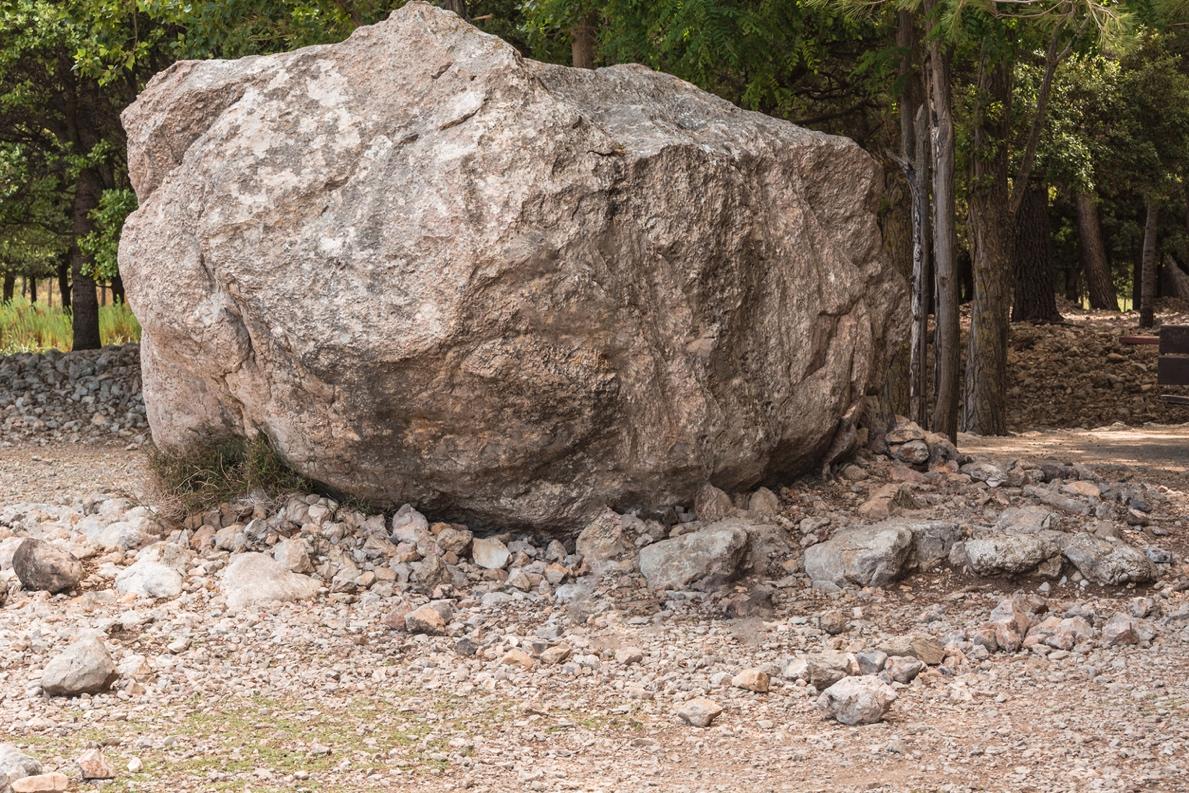
How Much Does that Boulder on My Property Weigh?
This guide will help you figure it out
When a business owner wants to improve his or her property, it is generally not too hard. There are quite a few landscaping or hardscaping ideas that can transform a property’s exterior, and improvements can attract more customers, convey a brand’s message, and offer several other benefits. And while planting trees and flowers and shaping topiary takes some work, sometimes Mother Nature makes things extremely difficult. If there is a boulder on your property and you would love to get rid of it, the first thing you need to do is get a good estimate of how much it weighs, and you can do this by following these steps:
Determining boulder type
Most rocks may look pretty much the same, but there many different types, and to calculate the weight of your boulder, it is important to know what you are dealing with. To do this, you can consult a local expert (perhaps there’s a college nearby with an earth science program you can ask for help) or you may be able to determine what type of rock it is on your own with this guide.
Start measuring
Unless you’re lucky, your boulder is probably not a perfect geometric shape, so getting precise measurements will be tricky. The first thing to do is to grab your measuring tape and measure its length. If it is very long, this could be a two-person job. Then measure its width and height. If the rock is tall, instead of climbing it, which could be dangerous, just make a good estimate.
Get out your calculator (or phone)
Once you have the length, width, and height in feet (you can round to the nearest foot for each), multiply them. If, for example, these measurements were 5X3X4, the total cubic feet of your boulder is 60 ft. You will then take that number and multiply it by the weight per cubic foot of the rock type. Let’s say you are dealing with basalt, which is pretty common in New Jersey. According to this chart, solid basalt weighs 188 lbs. per cubic feet. So, taking 60 and multiplying it by 188, you get 11,280. In order to calculate tons, you will then take that and divide by 2,000. Using the above example, you have a boulder that is about 5.6 tons.
Okay, you have the weight, now what?
While it is nice knowing how much that big rock weighs, that information is not going to help you move it. However, it will come in handy when determining what you will have to do to get rid of it. This should give you good insight into the kind of equipment and tools you will need, in addition to the costs involved. If you plan on hiring an excavation company to take care of it, giving them these details ahead of time may be able to expedite the process of removing the boulder.
If a huge rock is preventing you from enhancing your property’s landscaping, causing other issues, or it is just unsightly and you want it gone, get in touch with the excavation pros at Mikula Contracting. In addition to removing the boulder and perhaps some trees or other debris, we can also level out the land while preventing the loss of topsoil, reducing erosion. Our excavation services also address other areas, including:
- Drainage – When puddles develop on a lawn every time it rains, installing a seepage pit can help the problem.
- Foundation support – For a new structure or an addition to a current building, it is important to make sure the land can support the weight.
- Soil cleansing – When the soil around a foundation becomes contaminated due to something like a septic tank, it becomes a health risk to the community and needs to be removed.
- Pipe repair or installation – If water pipes aren’t working or need to be installed, precise excavation is paramount.
In addition to excavation, we also offer demolition services, and with everything we do, we make safety our number one priority. For over 70 years, when businesses in New Jersey have needed something dug up or torn down, they have relied on Mikula Contracting. If you are dealing with a troublesome boulder or any other issues that we can help you with, please get in touch. You can give us a call at 973-772-1684 or fill out our online contact form.
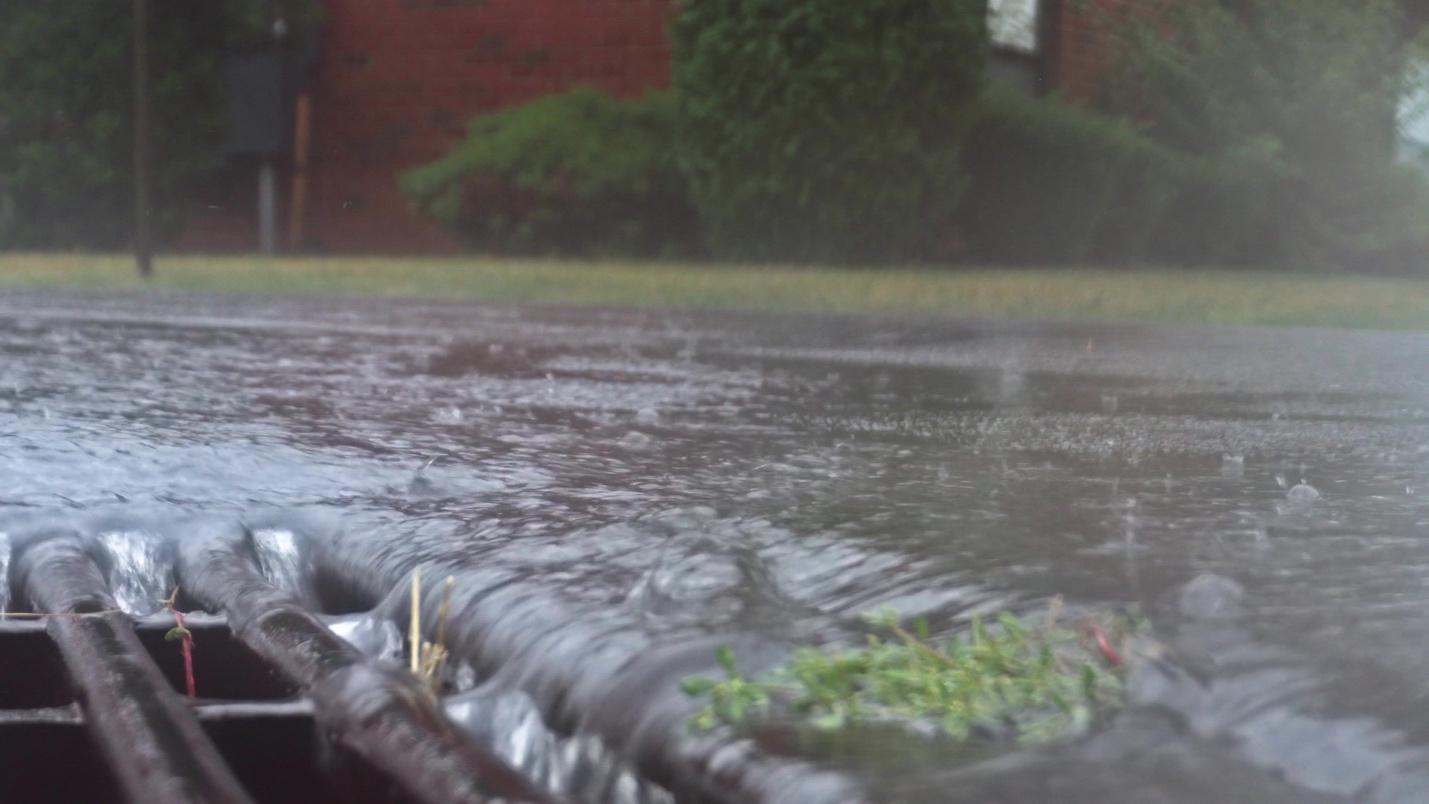
Properly Functioning Stormwater Drainage Systems Fight Against Flooding
New Jersey has always had to fight against floods, but increasingly harsh weather and an antiquated stormwater system mean the battle is a serious one. First-rate drainage is important for any business looking to keep its head above water.
It’s going to cost $15.6 billion to upgrade New Jersey’s aging stormwater systems, but it’s an expense that’s sorely needed. Our state was hit last year by more rain than we’ve seen in our history, and all that runoff must end up somewhere.
New legislation in the form of the Clean Stormwater and Flood Reduction Act was signed into law in March 2019 to improve the situation but caused some controversy. Whatever stance the public takes, it’s inarguable that highly efficient storm drainage will be required to handle the heavy loads of stormwater in our future; an element which creates a lot more problems than just soaking NJ residents.
The bigger problems with stormwater
The obvious issues caused are traffic hindrances, increased risk/occurrence of accidents, sinkholes, and possible severe structural damage to homes and businesses. These are terrible, but there are further dangers which aren’t so clear to the naked eye.
Stormwater is clean enough – until it hits the ground, that is. Stormwater is responsible for 60 percent of water pollution in New Jersey. Once it starts causing brooks, rivers and other water bodies to overflow, a wash of stormwater quickly becomes a carrier of pollutants into the wider community and negatively impacts humans, wildlife, and ecosystems.
When these rain tides cross over rural and urban areas (urban areas are usually harder hit because of a lack of natural drainage like soil), they pick up pesticides, bacteria, toxic chemicals, and other things like grease and oil.
Worse still, urban areas may find sewer systems engulfed beneath stormwater causing them to overflow and contaminate drinking water. Polluted water is already a problem for New Jersey with long-standing hazards including phosphorous, mercury, arsenic, and excessive bacteria.
All that pollution just gets picked up and spread around as stormwater goes on its way. Sadly, few New Jersey municipalities are expected to implement proper utilities despite this being the best course of action to meet modern standards for storm water management.
Where is it supposed to go?
Ideally, stormwater will flow into the storm drains you see dotted around parking lots and along sidewalks. Labeling requirements from the New Jersey Department of Environmental Protection’s municipal stormwater permitting program requires every storm drain be clearly marked in order to make people aware of non-point source pollution.
Once stormwater disappears down the drain, it should be rerouted and deposited into local waterways. New Jersey adopted stormwater management rules in the 1980s which utilized detention basins. These were designed to hold stormwater for gradual release through low-flow concrete channels and outlets into nearby bodies of water.
But, a worse-case scenario can take place. Combined sewer outflows common in older areas carry human waste and stormwater in the same pipes. Sewage should make its way to the nearest treatment plant, but that’s a struggle when stormwater is surging along the same passages.
When this combination is the case (which it is for 21 of New Jersey’s cities) the mixture of sewage, stormwater, and any pollutants along for the ride go right back into our rivers and out onto streets as drains overflow.
It’s an ugly situation that can escalate quickly and do lasting damage which can total in the millions of dollars. You can find more information on how New Jersey tackles stormwater on the DEP website and in their best practices manual. Our readers who own non-residential buildings such as commercial or industrial structures can find detailed information in this Stormwater Utilities Overview.
Let Mikula handle your commercial stormwater needs
We’re as passionate about the environment and community impact as we are about providing the highest service to our customers, so you can be assured that proper commercial stormwater solutions are a priority for us! Your commercial property is very likely at serious risk of falling foul of New Jersey’s outdated stormwater solutions and heavy weather that’s only set to get worse as the years go by.
We have a lot of experience in our 73-year history with solving commercial drainage problems. We offer our customers complete drainage design solutions that fit their property. Stormwater isn’t our only area of drainage expertise, either. We also provide ground and land drainage, surface drainage systems, rainwater drainage, seepage pit installation, and standing water drainage.
We’re a comprehensive drainage solution for commercial properties in Essex, Hudson, Bergen, Passaic, Morris, and Union Counties. You can be sure we’ll keep you informed and educated every step of the way, so you fully understand what’s happening and where your money is going.
Click here for a fast quote and let’s get to work protecting you and your property from the next wave of stormwater.
Mikula Contracting, Inc. provides commercial and residential customers with a wide range of excavation, demolition, environmental, trucking and soil materials services. For more information, call 973-772-1684 or email info@mikulainc.com
Improper Drainage Can Ruin Your Parking Lot - Here’s How Mikula Can Help
Floods are usually costly, but recent changes in New Jersey stormwater legislation could raise the price on future incidents. Here’s how to avoid turning your parking lot into a pond at any time of year.
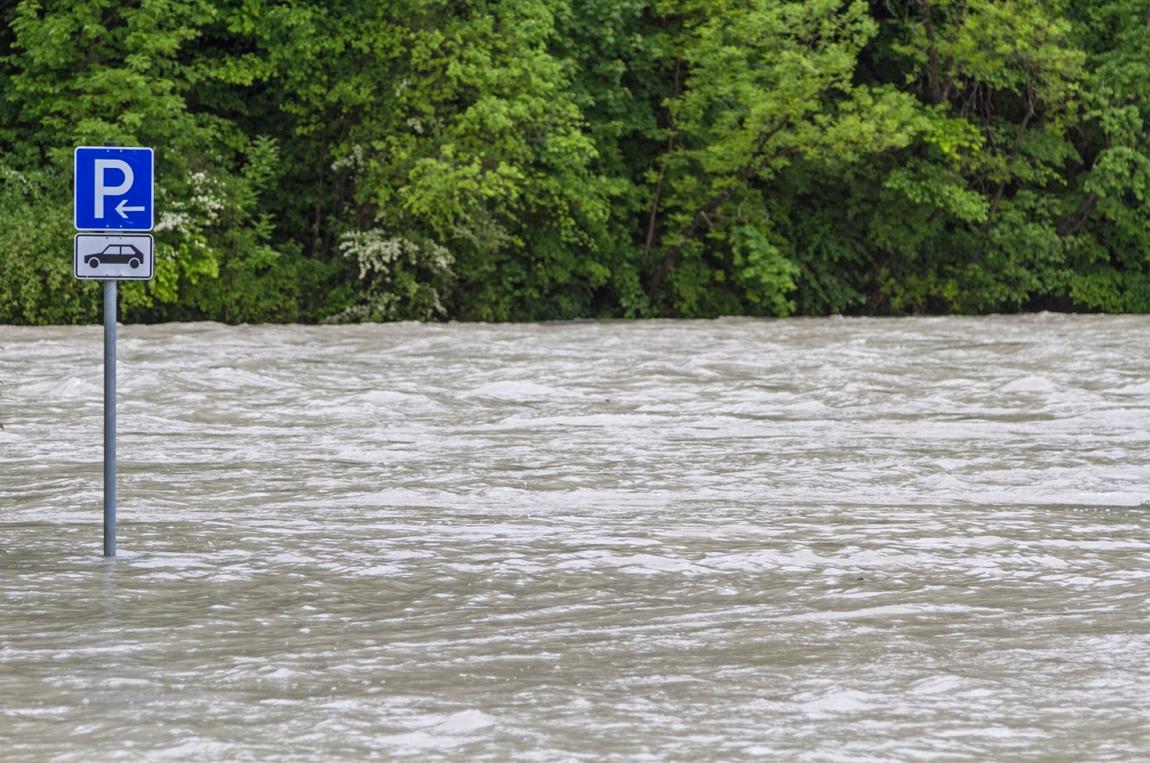
New Jersey lots already have nature against them. They don’t need people adding to the problem. The image illustrating the 2018 state of emergency perfectly captures the battle New Jersey (and its parking lots) can face against floods.
Our communities are prone to chronic flooding; so much so that a controversial tax bill was recently passed to assist in the $15.6 billion it would cost to upgrade our state’s stormwater system.
Effective parking lot drainage is a must even if a flood isn’t underway. Lots can create water troubles all on their own if owners don’t take the proper steps.
How pooling becomes a problem
Isolated puddles here and there are also called “ponding”. They can seem harmless especially in larger parking lots. Owners may be content to wait out the rain and just let the puddles evaporate. But, even when evaporation does eventually occur, every moment that pooled water spends on the ground is naturally eating away at your lot by oxidizing and eroding the surface.
There can also be other things in those puddles besides H20. Standing water after rain can become pockets of toxic run-offs with gasoline, anti-freeze, and oil and brake fluid which may drip from cars into puddles and stay there. This only speeds up the erosion process of the lot’s surface.
Storm waters which roll into a lot behave in the same way by gathering up chemical byproducts and natural waste as they go; more unwanted stuff deposited on your property when those waters settle there.
Now, let’s add in New Jersey’s often-cold weather. Lot puddles go through the freeze/thaw cycle (sometimes many times over for the same puddles) which weakens the surface underneath. Thermal expansion can cause cracks to appear which only get bigger over time creating more risks and making a parking lot much less attractive.
Raveling and potholes are only two of the potential distress signs which might occur and seriously damage asphalt.
Water can wipe you out in a lawsuit
Pooled parking lots are also far more likely to cause an accident. Single drivers will have less control of their vehicles and could skid, but there’s much more risk that multiple vehicles will end up colliding. People walking across your lot are in greater danger too if water causes them to slip or fall, especially when that water has become ice.
These incidents can easily turn into lawsuits since the water has become a danger that your property will be liable for. Litigation of this kind could easily end up costing property owners thousands of dollars.
What you can do to weather any storm
Having proper drainage in your parking lot can save a world of trouble. In an ideal world, a drainage specialist would be present as the parking lot is first being constructed to ensure the right system is put in place early. There’s still no reason to worry if your lot has been there for a long time.
Every parking lot’s needs will be unique. Sometimes, some rearranging of the surface may be necessary in order to direct water toward areas where it could naturally and safely be absorbed, such as grassy spots.
Other times, a resurfacing may be required to replace the old asphalt with a more porous alternative. These “permeable paving” options are EPA-approved and help parking lots to mimic the natural filtration and drainage of soil. These options can also lower long-term maintenance costs.
Quality drainage must be installed beneath your parking lot’s subgrade, so it’s essential to hire a careful and qualified construction firm for the job.
At Mikula, we have over 70 years of experience under our belt and multiple ways to help your commercial property handle drainage. We provide complete drainage design regardless if your issue comes from stormwater, street water, or trench systems. We protect our customers by providing:
- Ground and Land Drainage
- Surface Drainage Systems
- Rain Water Drainage
- Seepage Pit Installation
- Standing Water Drainage
When you have the right drainage in place, we also recommend paying close attention to your lot and regularly cleaning away any toxic spills or debris which can threaten your property.
Why let your parking lot become a pool of risk and eyesores that will lower your property value? New Jersey was battered by more rain last year than the state has ever seen. There’s no better time than now to think about your parking lot’s drainage and protect yourself from Mother Nature.
Get in touch with Mikula today to be water-ready and minimize being washed-out by the “rain tax”.
Mikula Contracting, Inc. provides commercial and residential customers with a wide range of excavation, demolition, environmental, trucking, and soil materials services. For more information, call 973-772-1684 or email or email info@mikulainc.com
Know the Signs, Risks, and Solutions in Handling Underground Oil Tanks
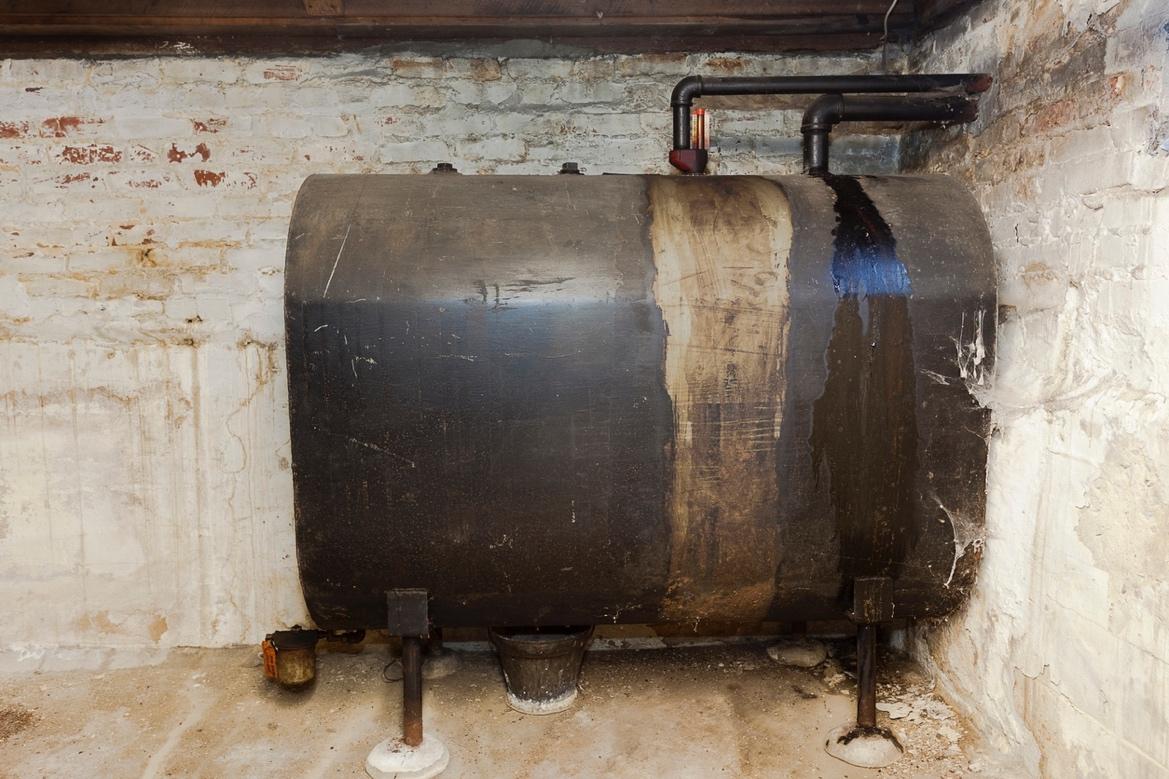
It's not even used anymore. It's hulking in your building’s basement, or you know it's buried outside in the back lot. A look at when and why it's time to have a professional excavate and remove your heating oil tank.
The only time you never want to strike oil on your property is when it comes from an underground tank. These old and often-neglected containers are dotted throughout New Jersey, ready to cause environmental and financial headaches for businesses.
A new oil tank is a sturdy thing, but the older they get, the more they rust, degrade, and spring leaks. These are obvious red flags to proceed with repair or removal. As time goes on a business may upgrade its heating system and simply have no further use for the tank.
These are the signs it’s time to part with yours and what you can expect when removal begins. When the damage has gone too far, or progress has rendered it obsolete, the tank must be removed by experienced professionals who respect the process.
Oil tank removal step by step
- Technical appraisal and cost estimate – Oil tank contents are flammable and pose a toxic or even explosive hazard if handled irresponsibly. A technician will inspect the tank to see how much, if anything, it still contains and draw a cost estimate from there.
- Paperwork and permits – There's more to removal than just digging it up. Permits must be issued from local and state authorities who must be informed that the process is going ahead. The contractors themselves must also be fully licensed and covered to carry out the work. The best contractors will handle all that paperwork for their clients.
- Utility inspection and inerting – Your contractor will work in tandem with local utility companies to make sure electricity and other power lines are clearly delineated and won’t be damaged during the dig. The tank then needs to be rendered inert; a process which involves replacing the combustible oxygen in the tank with a non-explosive gas.
- Tank removal – Digging then begins to carefully remove the oil tank and transport it for safe disposal before the site is inspected again by an environmental official.
- Environmental appraisal (green light or clean up) – The ideal scenario is one where the tank isn’t leaking. If it has, it could be causing serious environmental damage including contaminating the groundwater – the source of drinking water for almost half of Americans. This is where the cost can rise from between $10,000 to over $130,000 dependent on the environmental impact.
You can discover more on the other oil tank dangers in our previous blog. If no cleanup is required, the property can be filled in and organically covered.
There are instances when a tank may be safely abandoned, rather than removed. It may be more structurally sound to leave it where it is. The rest of the process leading up to that final decision is the same.
There is some help with removal costs
On August 30, 1997, Governor Whitman signed the law establishing the Petroleum Underground Storage Tank Remediation, Upgrade and Closure Fund (UST Fund) within the New Jersey Economic Development Authority (NJEDA) and administered jointly with the New Jersey Department of Environmental Protection (NJDEP).
The UST Fund was created to provide financial assistance to eligible owners and operators of leaking petroleum underground storage tanks. The UST Fund statute was amended in 2003, 2006, 2007, and 2009. You can find out more about the fund on the Environmental Protection Agency’s website.
Financial aid is good news, and here’s more – amendments to New Jersey's oil tank legislation made non-leaking tanks eligible for the UST Fund. This provides grants for commercial property owners who want to be proactive in removing their oil tank before problems start. It’s a great incentive and certainly cheaper to act early than pay high prices for a leak.
Mikula is experienced with this classic problem
Funding or no funding, you’ve got an ally in oil tank removal. Mikula has over 70 years of experience in handling excavation throughout New Jersey. We perform oil tank removal from commercial properties in Essex, Hudson, Bergen, Passaic, Morris, and Union Counties. Our firm is fully licensed and insured throughout the state as well as being an Underground Storage Tank Certified Closure Contractor.
We’re proud of our professional ability to get the job done and of our personal care for how our work impacts New Jersey and the environment.
Contact us for a no-obligation quote. We’ll make your tank troubles a thing of the past!
Mikula Contracting, Inc. provides commercial and residential customers with a wide range of excavation, demolition, environmental, trucking, and soil materials services. For more information, call 973-772-1684 or email or email info@mikulainc.com

Don’t Leave Your Hotel Underwater by Going Solo
Pool removal is one of the trickiest excavation jobs there are. An amateur attempt will quickly create more problems than a hotel wants to handle. Hiring an experienced firm will make sure your property stays high and dry.
Swimming pools can be a real jewel in a hotel’s crown. They add a certain degree of luxury to a property, but even still, there are many good reasons why a hotel may part with a pool. Pools can cost a lot in maintenance and present a safety hazard for patrons. Or, maybe it’s just time for a cosmetic change in the landscape.
Whatever the reason, in-ground pool removal must be carried out by professionals. This delicate work needs experienced hands and a team who understands the many factors which need to be considered.
What you need to ask before going ahead with pool removal
Cost is probably the first factor on a hotel owner’s mind. It’s also the hardest one to predict without an onsite look at the pool. Naturally, the bigger the pool is the more it will cost. Next to consider is the removal method that works best for the property; this can be a full, partial, engineered, or collapsed finish.
Having all those factors in place will decide how expensive the job will be. You can avoid further expense by understanding the risks of amateur removals; mistakes that can add thousands of dollars to your final bill.
The risks of an unqualified pool removal
Any party attempting a pool removal without a license is breaking the law. New Jersey requires all contractors operating in the state to obtain licenses and register themselves before being allowed to work. Failure to do this can lead to steep fines and fees for the illegally operating firm. These criminals will pass their carelessness along to you through substandard work and you may also be subject to criminal fines if you DIY.
At Mikula, we’re more than licensed – we take care of all necessary pool removal permits and inspections, so our clients don’t need to worry about it. Here are the other headaches we can save you from:
- Improper drainage – There's more to emptying a pool than sucking out water. Holes need to be drilled or jackhammered to allow proper drainage. Chlorinated water from commercial pools can’t just be casually disposed of – New Jersey takes possible environmental impacts seriously.
- Drilling, demolishing, and filling – Pool walls can be made of materials like steel and concrete. Concrete can be a foot thick and reinforced with rebar making for a tough job. Tackling those without heavy-duty equipment and training won’t just be impossible, it will endanger your safety. Filling the pool afterwards with concrete or high-quality and well-compacted soil is also a professional job. DIY here could mean a cave-in later.
- Waste removal – New Jersey is careful about removing C&D waste. Our state has a list of guidelines, as well as, further rules to protect contractors, clients, and the community.
- Nasty shocks from electricity or gas lines – Professionals know where to look to find utility lines on your hotel’s property. DIY pool removers can easily impact or sever these conduits and cause serious health and safety risks.
- Future construction failures – Even if you managed to get a pool removed by yourself, there are laws in certain locales as to what you can do with that space in future. Many states don’t allow anything to be built again on top due to concerns about collapse. A professional can assess future build potential and tell you which options you have, if any.
DIY seems to offer one benefit – saving money. It’s an illusion. Amateur attempts only lead to major financial costs through fees, fines, extensive repairs, and even injury or death. There’s no sense in paying more than you must and no need to endanger your health or your life. Protect yourself by hiring pros.
We’re the pool professionals
We give our clients in the hospitality sector decades of experience plus the peace of mind our work ethic brings. We’re family-run and fully certified throughout the state of New Jersey. We’re qualified to the highest safety standards and care how our work affects our clients and the wider community environment.
If you’re intimidated by the expense of pool removal, don’t be. Mikula provides a free estimate of how much it will cost and a detailed timeline of the demolition process. You’ll know how much it will cost upfront, and you’ll be clear on what’s happening every step of the way.
Mikula has more than 70 years of work under our belt and commercial pool removal is just one of our many services. We offer services in Essex, Hudson, Bergen, Passaic, Morris and Union Counties. Let us know if you have a pool project that needs an expert eye.
Mikula Contracting, Inc. provides commercial and residential customers with a wide range of excavation, demolition, environmental, trucking, and soil materials services. For more information, call 973-772-1684 or email or email info@mikulainc.com

For the Greenest Excavations, Two Heads are Better Than One
Mikula offers eco-friendly services with environmental consultants that work alongside us to make it happen. Learn more about how these specialists help excavators operate safely and responsibly.
At Mikula, we’re always happy to see how seriously our state now takes environmental responsibility. New Jersey alone has an impressive 739 environmental consultancy firms offering their services to protect both the public and excavation companies from harm.
Why are those services so important? They matter because excavation isn’t just big machines digging and making a mess. It’s about care for the delicate balance between the excavation process and the world around us. Environmental consultants are essential personnel in maintaining a healthy worksite and a safe community.
The services of environmental consultants
The areas inspected by environmental consultants are diverse and cover every aspect of the materials involved in excavation, with a focus on how displacement may impact the ecosystem and the surrounding human community now and in the future. Here are some examples of their responsibilities:
- Acting in an advisory capacity for excavators and the public – Environmental legislation is subject to change, especially as the public warms up to being eco-friendly. Excavation firms may not always be diligent in staying up to date with the rules, and the public are often unaware of them. Environmental consultants are well-educated scientifically and technically, while also being well-versed in the latest rules and regulations governing sites. They can advise both construction professionals and customers on how best to handle the excavation at hand.
- Overseeing waste management – Sadly, New Jersey hasn’t always had as much eco-sense as we do today. Waste can take many forms, and there are too many Superfunded sites in our state showing how bad the situation is. Environmental consultants were involved from the beginning of that research, and will be there to ensure these defunct and dangerous sites are excavated and rehabilitated safely. Check out our earlier blog for a more positive take on what happens to construction waste.
- Assessing air quality – Excavation involves stirring up a lot of fine material called particulate matter. Particulates are a form of air pollution created at all stages of construction/excavation. They’re composed of very fine soil, metals, dust, or even acids and other chemicals. Consultants inspect a site to assess the danger of these being inhaled by people or animals in the area by studying potential upwind/downwind distribution factors.
- Environmental Auditing – An environmental audit is a comprehensive appraisal addressing the entire excavation procedure. Is the firm complying with statutory requirements and local/state regulations? Is each member of staff well trained and responsible? How well are all forms of pollution being managed? Consultants impartially answer these questions and more while keeping closely documented records.
- Consultants can offer legal protection – These records can be instrumental in defending or condemning a firm’s reputation if any legal issues arise from an excavation (imagine how important their services will be in scenarios like the one currently involving Duke Energy’s particulate problems).
- Conceptual modelling – This is a way that consultants can help firms investigate the future. A conceptual model takes all factors of an excavation into account and offers predictions on how well or poorly it might go. By considering cause and effect before a dig begins, firms can better spot potential problems and take the best action to avoid them.
A relationship that’s in everyone’s best interests
Environmental consultants are valuable intermediaries between all parties in an excavation. A consultant will often be the shared point of contact between the construction firm, the client and any local/state/national regulatory bodies. What’s more, consultants typically handle the bulk of legislative paperwork that many businesses can find overwhelming.
You should check licenses, reviews, and previous client satisfaction when hiring a consultant to be sure of getting the best. OSHA-certification is one excellent indicator of someone who is trained and educated to a high standard. There are cases when a consultant being presented just isn’t viable. What if a customer or small business requires an excavation but can’t afford the services of an environmental consultant? That’s when a firm like Mikula pays dividends.
Mikula’s commitment to environmental safety
The ideal excavation firm cares as much for the environment as they do about your project. Mikula is proud of our:
- New Jersey Department of Environmental Protection License
- New Jersey Home Improvement Contractors License
- Underground Storage Tank Certified Closure Qualifications
- OSHA-certification
Our previous blog on oil tanks in New Jersey highlighted just how important it is to take the utmost care when excavating. When we’re on the job we’re thinking like environmentalists as well as construction professionals. We’re a generational company built on family who share the core concern of every environmental consultant: how will what we do today impact future generations?
If you’re a commercial or a residential customer considering an excavation, we’d love to help you make it an eco-friendly one. Review our services and get in touch at the details below!
Mikula Contracting, Inc. provides commercial and residential customers with a wide range of excavation, demolition, environmental, trucking and soil materials services. For more information, call 973-772-1684 or email info@mikulainc.com