Don’t Wait Until Spring: Excavation Projects You Can Start in Winter
Do you assume that you need to wait until spring before starting any excavation projects? It’s a common misconception that winter weather makes it impossible to complete excavation work. But the reality is that these projects can be done in the winter months or during any other time of year when you hire an experienced New Jersey excavation contractor for the project.
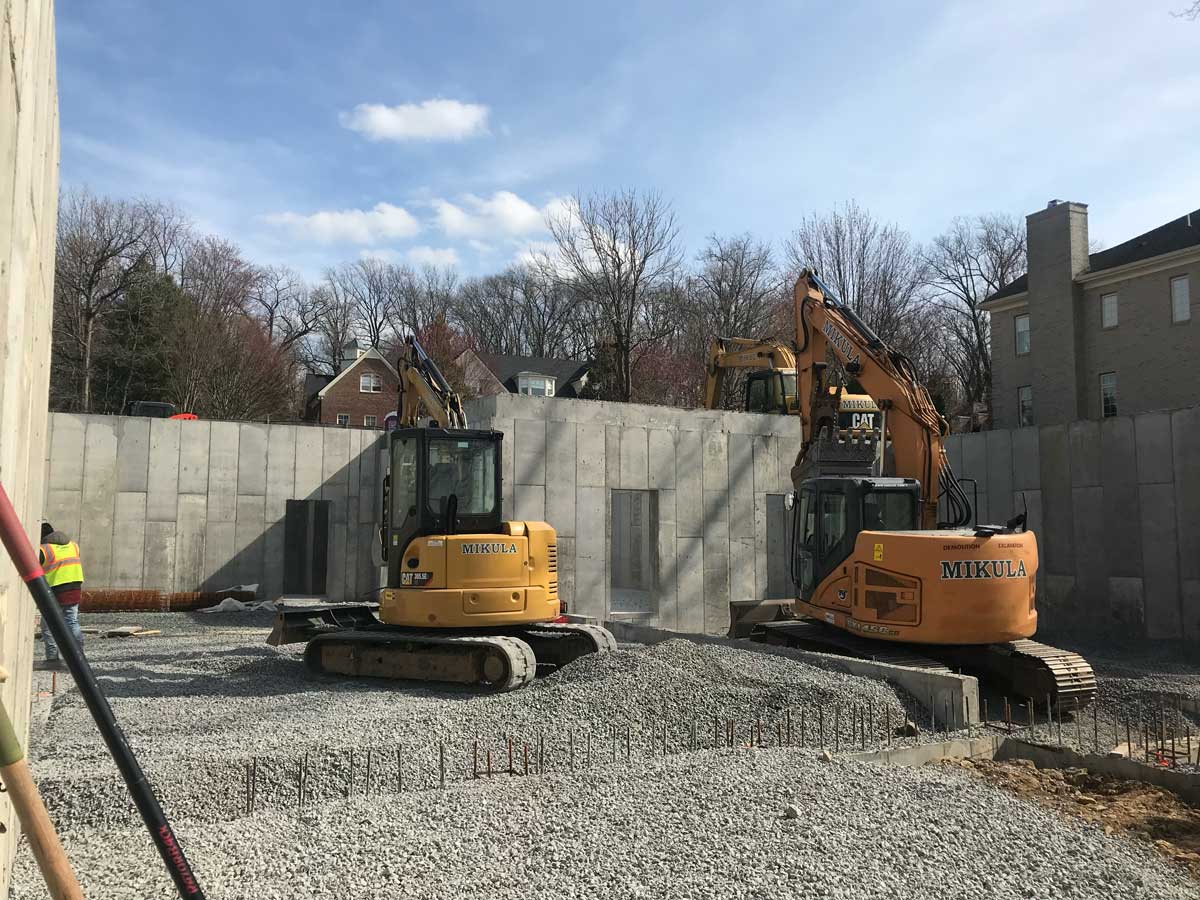
You need a local, knowledgeable team that understands the unique challenges of frozen soil. While frozen ground is not ideal, our team does try to work in above-freezing temperatures because even when there is cold weather, the project can keep moving safely with the right heavy equipment. In fact, winter construction is not only possible, but sometimes this time of the year is more efficient for certain stages of the project. We recommend that you start as early as possible (even before spring arrives) to avoid delays with spring rain and other seasonal complications.
Why Winter is a Good Time for Excavation
The more you learn about the industry, the easier it is to see why winter is one of the best times of year to hire a New Jersey excavation contractor and get started on your upcoming construction projects. During the colder months, there are fewer projects scheduled, which means that contractors are more available and it’s easier to get the necessary permits. Often, scheduling is simple because it’s the slower season for excavation.
Additionally, when the ground freezes, it causes a firm surface, which can help with stabilizing the terrain during excavation. Heavy equipment will be able to move more easily because there aren’t any mud issues to deal with. These conditions also help to simplify cleanup throughout the various phases of construction.
Types of Excavation Projects You Can Start in Winter
What types of excavation projects are you preparing for? Hiring a New Jersey excavation contractor means that you have access to expert services for anything that you need. These are some of the most common types of excavation projects that we can handle during the winter months:
Foundation Excavation for New Builds
Although frozen ground is not ideal for excavation projects, in cold weather, we can lay the groundwork to prepare for the foundation. Whether you are getting ready for a new build or you want to invest in an addition, we can help. During the cold weather, it’s possible to use insulated curing techniques so that poured foundations are protected while they are hardening.
Utility Line Installation or Repair
Heated trenching tools allow us to handle all types of utility line installation or repair, including services for water, sewer, and electrical lines. We use specific techniques to prevent ground shifting when everything thaws and the spring rain comes in the future.
Winter Land Grading
When we are grading the site during the winter, the soil is quite stable. It’s easier to prepare the area for landscaping in the spring, so you can enjoy a beautiful yard during the warmest months of the year.
Drainage Installation and Improvements
Take time to enhance the drainage right now so that you are ready for the runoff when the melting snow causes the soil to become saturated. Contact our New Jersey excavation team to learn about your options for upgrading your drainage system.
Demolition and Site Clearing
Since the vegetation is sparse during this time of year, it’s an excellent opportunity to clear the site during the colder months. We can help with all types of demolition and site clearing so that your property is ready for construction when the weather warms up.
Road or Driveway Excavation and Repair
If you are having issues with your road or driveway, then winter can be an effective time to resolve these problems and avoid peak-season costs at the same time. These surfaces can be prepared or repaired using thermal coverings. It is, however, worth noting that when starting these repairs in the winter, you may find that materials are more expensive or out of stock because of the seasonality of this sort of project.
Preparation Tips for Winter Excavation Projects
Here are a few tips to help as you are getting ready for your upcoming excavation projects:
- Choose a Reliable Excavation Contractor: You need a trusted New Jersey excavation contractor with a good reputation and a positive track record.
- Heavy Equipment Maintenance: Verify that your contractor is using reliable equipment and keeping up with necessary maintenance. The right equipment makes a big difference, especially when you are dealing with frozen ground.
- Permitting Process: You must have all of the right permits in hand before the project can begin. Get started as soon as possible to avoid construction delays.
- Keep the Site Clear: All snow, ice, and debris need to be cleared away throughout the project to ensure access and visibility for the crews.
Work With a Trusted New Jersey Excavation Contractor for Winter Projects
If you need help with a winter excavation project, then reach out to a reputable New Jersey excavation contractor. Our team at Mikula is here to help every step of the way. We can map out the process and address any site-specific concerns, offering a personalized approach for every project.
There’s no reason to wait for the weather to change before getting started. We’ll complete your project now so that you don’t have to worry about limited contractor availability during the peak season. With proper planning, cold weather can be the perfect time of year for your excavation projects. Contact our experienced team at Mikula to learn more about available services.

Cold Weather Challenges and Proven Solutions for Land Improvement Project Sites
When you are planning a land improvement project, it’s essential to factor in the ways that weather and climate conditions could impact the work. Hiring an experienced New Jersey land improvement contractor is essential to ensure that you have a successful outcome, especially since the team will offer the best strategies for dealing with local climate issues.
How Cold Weather Impacts Land Improvement Projects
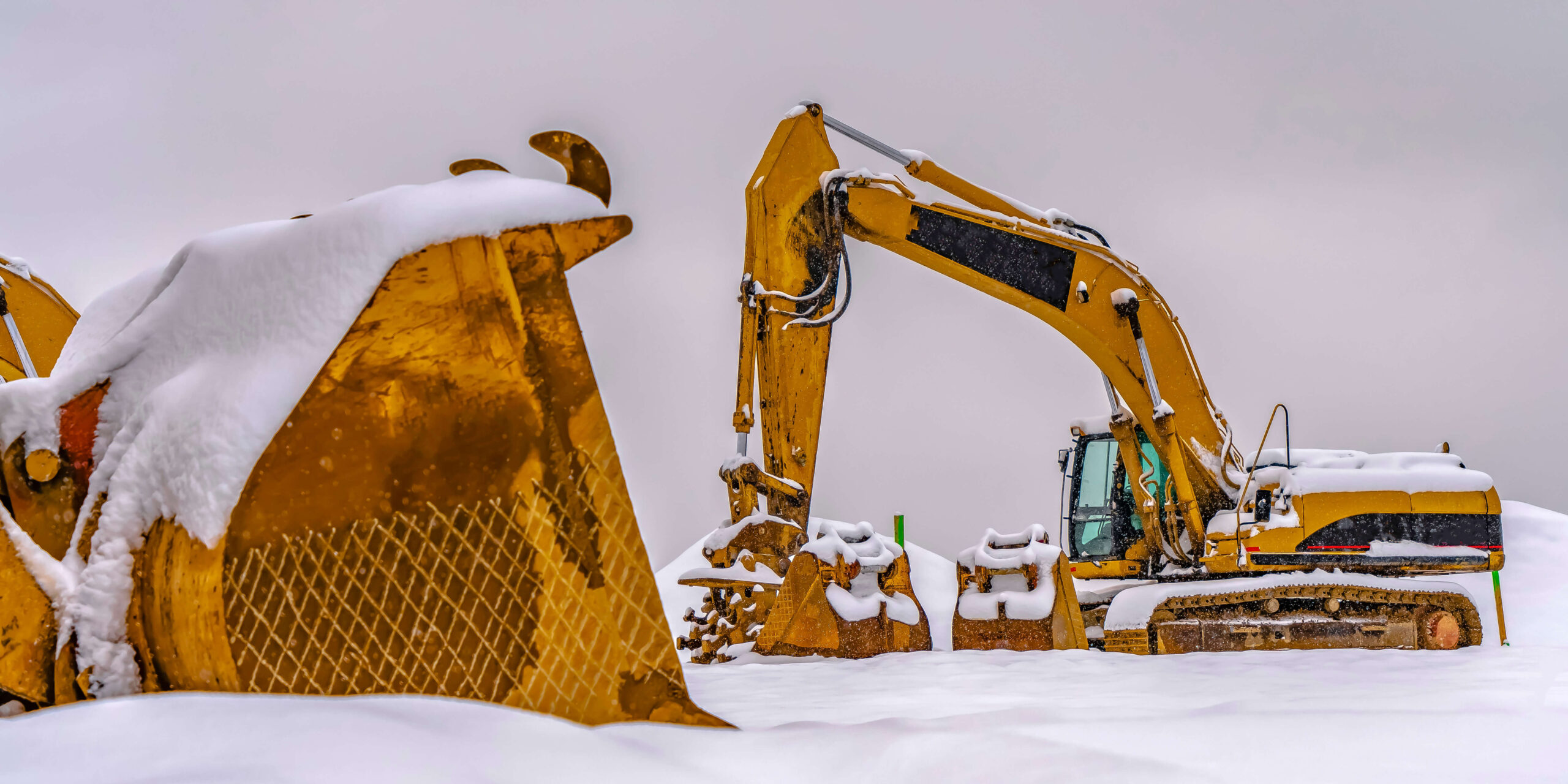
The cold climate of New Jersey can be unpredictable during the winter months, bringing freezing rain, high winds, snow, and ice. These factors can be managed, but they have an undeniable impact on construction in the region.
When it comes to cold-weather construction, the ground, machinery, and schedule timelines are different compared to the summer months. Since the low temperatures can compromise structural integrity, it’s essential that extra steps are followed to ensure the materials are cured and bonded properly. We implement best practices and extra precautions to handle the harsh winter conditions.
Common Cold Weather Challenges in Land Improvement Projects
At Mikula, we’ve been serving the community in New Jersey for a long time and have worked out the best strategies for navigating land improvement projects during the coldest months of the year. These are some of the most common challenges that need to be addressed during the winter season:
Frozen Soil and Frost Heave
When there is water in the soil, and it freezes, it causes the soil to expand (known as frost heave). Unfortunately, this can cause damage to surfaces and foundations. Since New Jersey gets a deep frost, it’s essential that the soil is stabilized properly before construction to reduce the risk of damage from frost heave.
Reduced Soil Workability
One challenge of cold-weather construction is that grading and compaction are limited when the soil is frozen. Even though we have heavy equipment, additional specialized tools are necessary to break through the frost.
Project Delays and Increased Costs
While we try to avoid winter weather delays, the reality is that schedules are often impacted because of the additional steps that are needed. Plus, costs go up for heating and labor, especially since these projects usually require additional time to set up. So, be flexible with your planning and resources in case there are delays and unexpected costs.
Equipment Performance Issues
When diesel equipment is used in cold weather conditions, the fuel efficiency is decreased. These cold temperatures can cause complications with the equipment, such as thickened fluids, cracked hoses, and dead batteries. We keep up with regular equipment maintenance to avoid these issues during winter construction and throughout the year.
Water Management Challenges
When the temperatures are fluctuating, we might be moving between freezing and thaw conditions. Other complications can arise from melting snow and ice dams, which cause flooding, erosion, and blocked drainage. Our crews work hard to keep the systems clear, especially because we need to prevent ice buildup to avoid additional complications.
Proven Solutions and Best Practices for Cold Weather Land Improvement
Just because the weather turns cold in the winter months here in New Jersey, it doesn’t mean that construction projects need to be paused. We offer a variety of solutions that can make it possible to be successful with land improvement projects, no matter the time of year. Reach out to Mikula, a New Jersey land improvement contractor that you can trust in all weather conditions.
Soil Temperature Monitoring and Testing Techniques
Specialized sensors can be used to track how deep the frost is running and identify the soil temperatures at different levels. Then, this data can be used as part of the management plan to ensure successful strategies are used for compaction and curing.
Adjusting Construction Schedules
If possible, be prepared to adjust your schedule to avoid land improvement projects during the harshest winter weather. These cold climate impacts can have a major effect on project timelines. Build a bit of a buffer into your schedule in case there are any delays due to storms or high winds.
Selecting Cold-Weather Resistant Materials
When you are selecting materials for your project, make sure that you choose products that are designed to withstand winter conditions. We can provide recommendations for adhesives and low-temp concrete that work well here in New Jersey.
Optimizing Equipment for Cold Conditions
We have specific strategies that protect the heavy equipment during cold water construction, such as engine heaters and winter-grade oils. Additionally, shelters can be used to keep the machines out of the storm when the equipment isn’t being used.
Effective Water and Snow Management Strategies
Depending on the time of year, additional tasks will need to be added to your land development plan. For example, it might be necessary to plan for snow removal or add drainage systems to handle the melting snow.
Tips for Planning Cold-Weather Land Improvement Projects
Don’t worry: it’s still possible to have a successful outcome with your land improvement projects, even during the winter months. Here are a few best practices that will ensure a successful outcome for your project:
- Trusted Contractor: Hire a skilled New Jersey land improvement contractor who has experience with other similar projects in winter conditions. This experience can be a valuable resource and gives you the peace of mind to know that the project will be successful.
- Management Plan: Put together a detailed plan that addresses all phases of the project, including the materials and scheduling considerations that might be necessary during winter storms.
- Buffer Time: Expect that there are going to be weather-related delays, which is why it’s smart to build buffer time into your schedule. Delays might happen due to equipment issues, time for thawing, or other complications that arise. Make sure to keep realistic deadlines.
- Effective Management: Good project management will go a long way to ensure success with the land development. You need a team that brings clear communication and stays proactive with safety checks every step of the way. We are diligent about continuous site monitoring to ensure quality and safety at all times.
- Weather Tracking: Anticipate potential weather-related complications by paying attention to the upcoming storms. When the team anticipates weather-related complications, we can prepare and adjust the tasks accordingly.
- Insurance Coverage: Not only do you need liability and property insurance, but make sure that your insurance policies cover snow and ice-related damages. You need to protect yourself financially.
Hire an Experienced New Jersey Land Improvement Contractor for Cold Weather Projects
When you are working with a skilled New Jersey land improvement contractor, you can rest assured knowing that our team understands how to manage all of these cold-weather challenges. We are here to help every step of the way with your land development plan and implementation.
For more information about the available services that we offer, reach out to our team at Mikula. We are proud to have an excellent reputation in the local industry, and our crew is here to help with land development projects of all sizes. Contact us today to discuss your upcoming project.
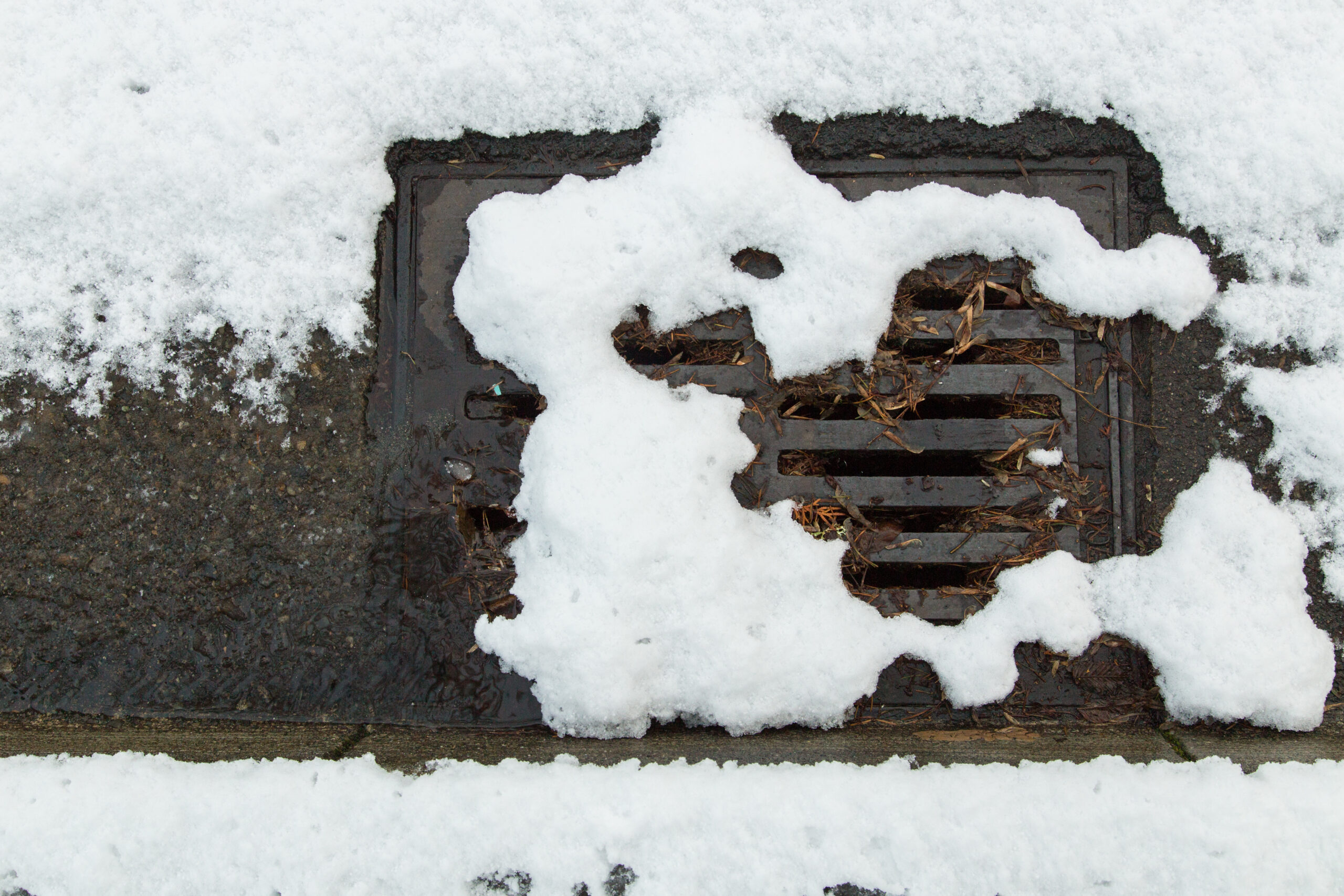
Is Your Drainage System Ready for Snow Melt?
When winter blows in freezing temperatures and heavy snow and ice, is your drainage system ready to handle the season’s harshest conditions? One of the hidden challenges that is often overlooked is the impact melting snow has when the temperatures rise a little bit.
The best thing that you can do is talk to a New Jersey drainage contractor to make sure that your drainage systems are up to the task. It’s inevitable that the snow and ice will eventually melt, and you need to have a good system in place to manage the runoff. Otherwise, you might be dealing with other complications, such as flooding and water damage to your home and foundation.
There’s no question that hiring a New Jersey drainage contractor is a great investment. Our team is here to help you prepare for all weather conditions in New Jersey. We’ll help you watch for early warning signs and put proactive strategies in place to protect your home. It’s essential to take these steps before the snow starts to melt.
How Snow Melt Impacts Your Drainage Systems
When melting snow starts to run through your property, it can result in a large volume of water that saturates the ground. Often, there are freeze-thaw cycles throughout the seasonal changes, which can cause complications. For example, if outdoor drains freeze and are blocked when the snow melts, then it means that water flows towards low points or basements instead of moving through the drainage systems.
Other issues can contribute to these seasonal water problems, such as poor grading, debris in the drains, and frozen gutters and downspouts. These issues prevent water from escaping in the preferred direction, which creates a higher risk of basement floods and foundation damage.
Even though these issues are common in New Jersey’s unpredictable winter conditions, there are strategies that can be used to manage the water and reduce the risk of damage to your property. Contact a New Jersey drainage contractor that understands these conditions so that you can receive personalized recommendations.
Maintenance Tips to Prepare Your Drainage System for Snow Melt
A little bit of maintenance can go a long way to prevent snow melt and flooding complications. Here are a few suggestions that we recommend for every property:
- Clean gutters and downspouts so that you can ensure smooth water management when the snow starts.
- Prevent blockages by inspecting all outdoor drains and looking for any debris that needs to be cleaned (such as leaves or dirt).
- Test the sump pump to ensure that it automatically activates when the water is flowing.
- Hire a New Jersey drainage contractor to regrade the soil to be sure that water flows away from the foundation.
- Seal the basement and extend downspouts so that the water doesn’t seep into the walls.
One of the best proactive steps that you can take is scheduling an annual inspection with a New Jersey drainage contractor. We will come to your property and look for any potential issues that need to be addressed. Identifying and correcting these vulnerabilities is worth the time and effort so that you can manage snow and ice buildup in order to avoid expensive repairs in the future. We are here to help protect your home so that you don’t have major issues when the temperatures rise and melt the snow.
Warning Signs Your Drainage System Needs Inspection
How can you tell that your drainage system needs inspection or maintenance services? Here are some of the early signs that you might be having drainage issues:
- Melting snow causes standing puddles in the driveway or yard.
- You can see visible ice buildup on the gutters and downspouts, causing the snow and ice to block the flow (leading to flooding).
- The sump pump is constantly running, which indicates an overload of groundwater.
- Foundation cracks, damp walls, and musty odors in the basement could be an indication of water issues.
Effective Solutions to Manage Snow Melt Water
Rest assured knowing that there are plenty of ways the water can be managed, helping you avoid complications throughout the year. The first step is to call an experienced New Jersey drainage contractor. Our team can help you identify the potential vulnerabilities on your property, then provide personalized recommendations to address these issues.
These are some of the most effective solutions for managing snow melt:
- Sump pump system
- Trench drains or French drains
- Insulate exposed outdoor drains to prevent freezing
- Maintain gutters and downspouts
- Add gravel beds in high-runoff areas
Work With a Drainage Contractor to Ensure Your System is Ready
When you need the services of a New Jersey drainage contractor, then Mikula is the team to call. We’ll start with a thorough inspection of your drainage systems, as well as recommendations to fix minor issues and reinforce any problem areas.
Our team offers full-service solutions to protect your property and reduce the risk of flooding issues and water damage. Contact us today to learn more about drainage services and other related solutions
How to Best Defend Your Home's Foundation From New Jersey Winters
As a homeowner in New Jersey, you know how challenging the winters can be. The freeze and thaw cycles can, unfortunately, cause foundation damage and cracks, which is why it’s critical that you call a New Jersey drainage contractor as soon as possible.
The good news is that there are things that can be done to prevent foundation cracks and future damage. The goal is to manage the way the water is seeping into the ground when the snow melts, helping to protect your home by preventing major issues when the cold weather hits.
How New Jersey Winters Can Damage Your Home’s Foundation
Even though foundations are built to withstand changing weather conditions, there are certain aspects of snow and freezing temperatures that can cause damage to the foundation over time. For example, if rain or melting soil saturates the soil and then it gets cold enough to freeze, then it can cause expansion and shifting, which then puts pressure underground that can cause foundation damage and leaks.
Other plumbing issues can also develop if you aren’t proactive about protecting your home, such as cold air freezing pipes. When plumbing is exposed to these temperatures in places like crawl spaces and basements, then pipes freeze and break, which eventually leads to water damage when the ice starts to melt.
Rest assured knowing that a New Jersey drainage contractor can prevent water from gathering around the foundation, which will protect your foundation and ensure that your home stays strong in all seasons.
Assessing Your Foundation Before Winter Starts
Right now is the best time of year to assess your foundation so that you can get ahead of any issues before winter begins. We recommend early inspections to help with foundation cracks, water pooling, or any other issues that are discovered during the inspection.
Call our team, and we will ensure that your drainage system is ready for all weather conditions. There are many parts of the system that work together, including the grading, drainage, sump pump, gutters and downspouts, and more. Additionally, we can make sure that your exterior walls are sealed to protect against potential water damage.
Effective Ways to Protect Your Foundation During Winter
Each home is unique, which is why it makes sense to call a New Jersey drainage contractor for personalized recommendations. We’ll create a customized plan for your property, which might include the following.
Regrade the Soil to Prevent Water Pooling
We can adjust the soil slope to prevent water from pooling and building up around your home. The grading should direct the water away from the foundation and direct the flow to allow for proper drainage.
Install and Maintain Effective Drainage Systems
Various methods can be used to keep runoff moving away from your home, such as French drains and/or a working sump pump to prevent moisture problems. With the proper grading, it’s also possible that a seepage pit or catch basin might be helpful, depending on the water/drainage issues.
Seal Foundation Cracks Before Freezing Temps Hit
If there are any foundation cracks, they need to be sealed as soon as possible to prevent freezing expansion that can cause foundation damage during the cold weather season.
Insulate Your Basement or Crawl Space Walls
When there are pipes and other temperature-sensitive features in the crawl space, basement, or any other living spaces, make sure to install good insulation. You can also insulate pipes that are exposed.
Install Moisture and Vapor Management Systems
Adding a vapor barrier can be helpful to protect your home against mold and ongoing dampness. This system will manage humidity levels throughout the year.
Improve and Stabilize the Soil Around the Foundation
It’s essential to make sure that the soil around the foundation is stabilized to prevent erosion and shifting. Our excavation services are available if you are experiencing any of these issues.
Manage Snow and Ice to Minimize Water Saturation
When it snows, proactive and strategic shoveling can keep the water away from your foundation. For example, move the snow away from your home so that it doesn’t affect the foundation when the snow starts to melt.
Additional Protective Measures for Long-Term Stability
Other protective measures can also be helpful, depending on your unique needs. For example, regular inspections, testing the sump pump, and small repairs and maintenance can make a big difference to protect your home now and in the future. These seemingly small tasks really add up to ensure that your foundation stays strong for many years.
See How Mikula Contracting Can Assist in Protecting Your Home’s Foundation
If you are looking for a local New Jersey drainage contractor, then Mikula is here to help. Our team brings many years of experience with grading, excavation, drainage, and more. Whether you need to fix current issues or you are getting ready for a new build, we invite you to reach out for more information.
Now is the best time to take action to ensure your home is protected against foundation damage during the winter and water damage when the snow starts to melt in the spring. Reach out for a complimentary consultation to learn more about available services. We’re just a phone call away and ready to help with anything that you need.

Questions to Ask Your Municipality When Looking to Start Land Improvement Work
No matter the type of construction projects you are working on, communication is one of the most important factors that will result in a successful outcome. Not only do you need clear communication with your New Jersey land improvement contractor, but you also need to have open lines of communication with your local municipality departments.
There are restrictions on how every piece of land can be used, based on how the area is zoned (for residential or commercial construction). Understanding these restrictions early will help you save money so that you can avoid expensive mistakes in the future.
Whether you are working on smaller residential upgrades or bigger land development projects, make sure that you are working hand-in-hand with your contractor and the local municipality to maintain regulatory compliance every step of the way.
Why You Need to Consult Your Municipality Before a Land Improvement Project
The local municipalities not only set the land use regulations, but they are also responsible for enforcing building codes and zoning laws. The goal is to make sure that safety is maintained at all times and that the construction practices are protecting sustainability in the area.
When you go through the process of getting approval, it will help you prevent delays, avoid fines, and minimize the risk of shutdowns during construction projects. Make sure to start these conversations as soon as possible, especially if you are dealing with any potential issues such as utility problems, soil instability, or water management requirements that should be addressed. Call a New Jersey land improvement contractor for help with everything from the permitting process to the actual excavation and construction.
Key Questions to Ask Your Municipality for Different Land Improvement Job Types
The quality of your questions will make a big difference in the overall outcome of your land improvement plan. You need to get information that is specific to your project. Consider putting together a list of questions to ask before breaking ground. These questions can help protect you as the property owner to minimize the risk of legal or financial problems in the future.
- What permits do we need for this project?
- How long will it take to get the necessary permits?
- Are there any specific rules that need to be followed relating to debris disposal or noise control?
- What environmental reports need to be filed?
- What are the necessary inspections for the work being done?
- What restrictions need to be followed for excavation depth or slope?
- How should we locate underground essential utilities before we start digging?
- What plans are required for erosion control or runoff prevention?
- Does regulatory compliance require soil testing or geotechnical reports?
- Which environmental reviews are needed for oil tank removal?
- Who takes care of the handling and disposal of contaminated soil?
- Will I be able to use the site for other land development projects in the future?
- What are the grading and drainage requirements that need to be followed for this piece of land?
- Will any boundary restrictions affect these plans?
- How do real estate zoning designations affect this project?
How to Prepare for Your Meeting with the Municipality
It’s a good idea to do a bit of preparatory work before you meet with the municipality. You’ll want to bring all necessary documents and information, including plans, blueprints, and previous site reports. Additional document requirements might include proof of ownership, surveys, and other applicable environmental records.
Your New Jersey land improvement contractor can help with gathering the necessary documents and assisting with municipality communications. We’ll make sure to prioritize your timelines and project goals every step of the way, and our team can even help with the permits and inspections as needed.
Common Mistakes to Avoid When Dealing with Municipalities
These are a few things that you should always avoid when working with municipalities:
- Skipping approvals that are required
- Misinterpreting building code details
- Leaving some of the construction projects off the permit
- Ignoring potential issues that are brought up during the review
- Rushing the permitting process
- Not working with an experienced New Jersey land improvement contractor
Seek Guidance from an Experienced New Jersey Land Improvement Contractor
There’s no question that it’s a good investment to work with an experienced New Jersey land improvement contractor. Make sure that you hire a licensed and insured team with experience in the local area.
At Mikula, our crew is here to help with anything that you need. We offer full-service solutions, including demolition, excavation, oil tank removal, test pit excavation, and more. Contact us at your convenience to schedule a consultation to discuss your upcoming project. We’ll evaluate your needs and put together a detailed proposal to ensure a successful outcome.
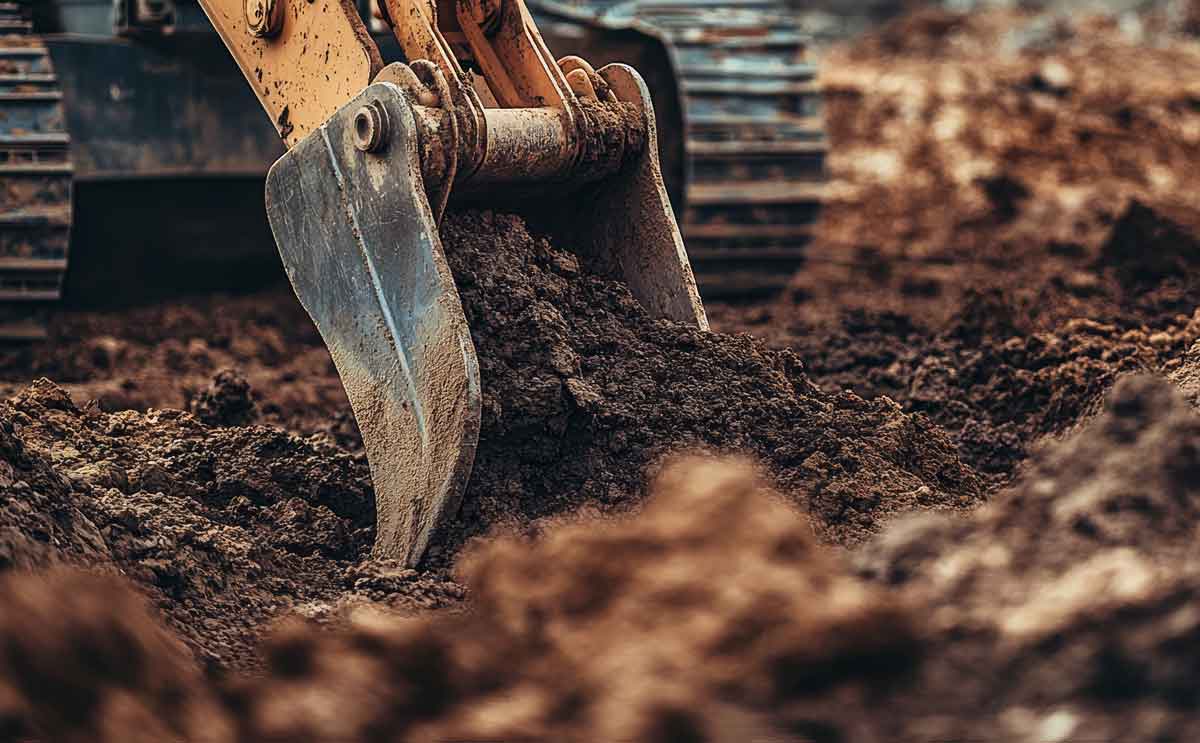
How Does Soil Type Impact Excavation Projects?
The quality of the soil makes a big difference in the overall success of a construction project. Not only do you need to know about the topsoil, but the ground underneath can have a significant impact on the stability of the building. One of the best things that you can do is hire an experienced and knowledgeable New Jersey excavation contractor to help you avoid unexpected issues and expensive surprises during construction.
It’s essential to understand that soil type influences the difficulty of excavation, the equipment needed, the costs involved, and overall project safety. Ensuring a solid foundation begins with proper soil preparation before construction starts. Although correct soil prep is essential, you can never be entirely sure of what’s underground until digging begins. Unexpected conditions can affect both the budget and the strategy, which is why working with an experienced contractor—someone who communicates clearly and can adapt plans as necessary—is key to building a strong and successful foundation.
The truth is that soil is much more than just dirt. Depending on where your property is located, there are various factors in the soil that can affect construction, including the makeup, density, and moisture levels. Our team is here to help you get the best results possible by planning the right excavation strategies based on the type of soil we are working with.
Why Soil Type Matters in Excavation Projects
Did you know that different soil types behave differently under different conditions: pressure, weight, and weather? The behavior of the soil is directly related to the excavation speed, cost, and overall project safety.
For example, some types of soil hold water for longer while other types drain quickly. Certain types of soil, such as clay soil, will expand when wet and then contract when it dries, which can cause instability. These water-holding properties change the approach during excavation and drainage planning.
Make sure that you are proactive about soil preparation because if there are issues during the prep phase, then it increases the risk of delays, instability, and even long-term damage to the building. Our team is here to help you evaluate the soil composition. Hire a New Jersey excavation contractor, and we’ll look at the mix of sand, silt, and clay to see how this blend is going to impact water retention and even the load-bearing capacity for your building.
Common Soil Types & Their Impact on Excavation
Before we break ground, we always take a look at the type of soil so that we can take a proactive approach to reducing the risk of shifting or even collapse after construction. Soil testing is the most reliable solution to understand soil properties and know what we are dealing with. Here is a quick overview of some of the soil types and extra steps that might be required.
Clay
This type of soil is sticky and dense when it’s wet, then it hardens when it dries out. This change in soil consistency can increase the risk of excavation challenges. Since clay has high water retention properties, you need to keep expansion and contraction in mind because the soil will swell based on the current moisture content. This swelling can cause damage to the foundations, which is why we recommend soil conditioning to ensure stability before you start building.
Loam
This type of soil has a pretty good balance of sand, silt, and clay. In fact, many contractors will agree that it’s the ideal conditions for construction projects because of the way it supports strong compaction and doesn’t become waterlogged when it’s holding moisture. Loam is easier to work with compared to other types of soil and is considered cost-effective because it doesn’t need too much prep before construction begins.
Sand
One of the problems with soil that has too much sand is that it can shift easily when improperly compacted, which means that careful stabilization is necessary to avoid future issues. The water drains and doesn’t retain the moisture very well. This type of sandy soil is most common near bodies of water and coastlines.
Silt
With silt, there are small particles in the soil that hold water longer than sand, but it drains faster than clay. One of the challenges with silt is that it can become unstable if it’s wet, which increases the risk of erosion. So, it’s often recommended that reinforcement be added to the soil before construction begins.
Rock
There’s no question that rock offers excellent soil strength and is very stable after the foundation is set, but it also comes with a few challenges. Not only is rock difficult to work with, but it can be quite expensive to excavate because of the additional effort and tools that are needed. For example, it might be necessary to blast it or use heavy-duty machinery.
Key Factors Affecting Soil Behavior During Excavation
Our team has experience working with all types of soil in a variety of conditions. That being said, it’s vital to ensure that your excavation team understands the soil on your site before beginning the project. Depending on what we discover, an engineer or environmental firm might be brought in to help determine the path forward. We’ll want to evaluate:
- Whether the soil can retain moisture
- How drainage will affect construction
- How much weight can the ground hold before it starts shifting
- If weather conditions will cause soil expansion and contraction
- How do different layers of soil need to be handled
All of these factors will help us create the ideal excavation plan to help you have the best results possible with your construction project.
Consult an Experienced New Jersey Excavation Contractor
Hiring a New Jersey excavation contractor who understands the local soil conditions and terrain is one of the best investments you are going to make for your project. We are here to help with anything that you need, offering cost-effective solutions to protect your site and ensure success. Call Mikula today to schedule an excavation consultation.
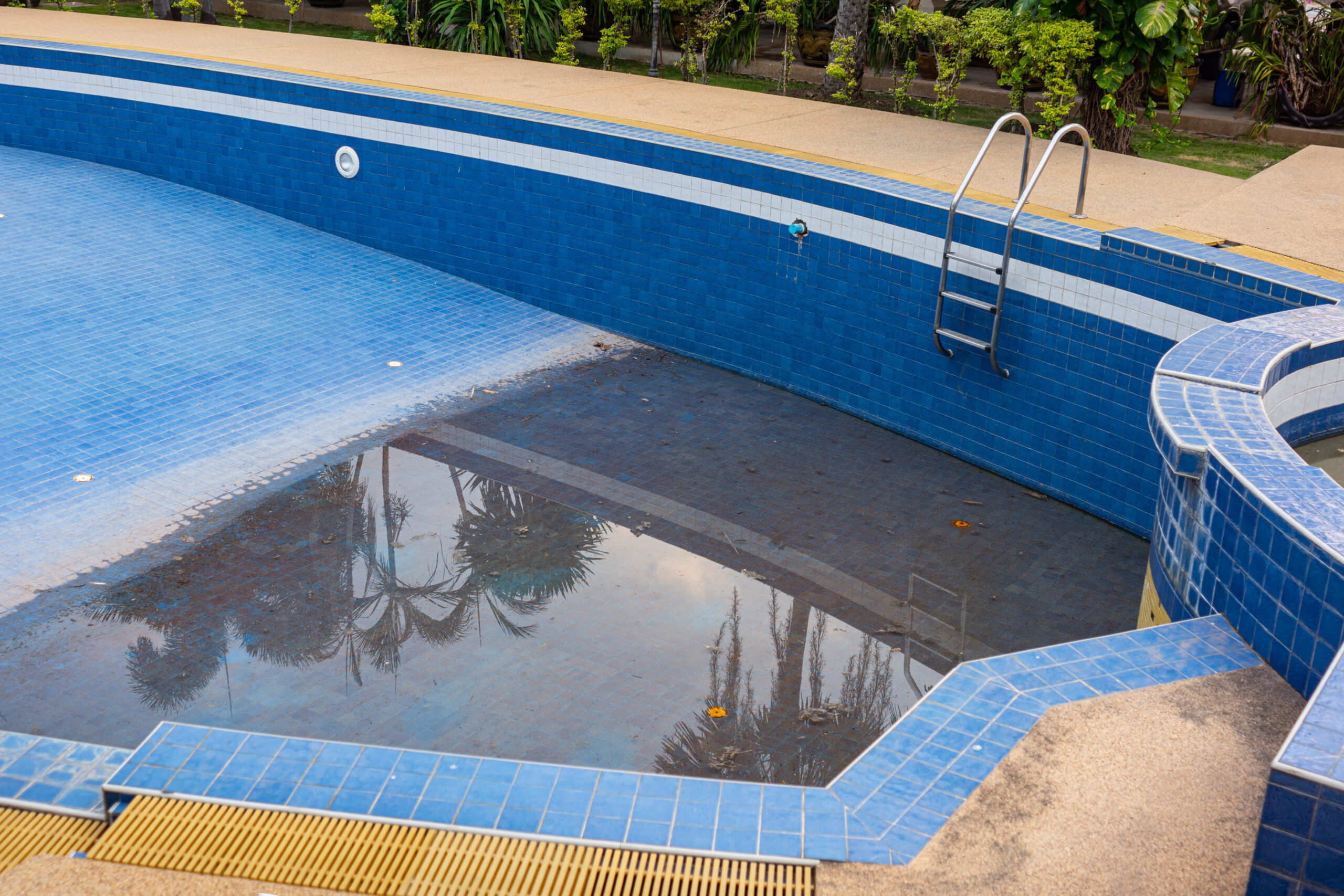
Was This the Last Season Using Your Pool? Here’s What to Do Before Next Summer
As the weather is starting to cool down, many homeowners are thinking about fall cleaning and preparing for winter. If you have a swimming pool, then you know there are essential maintenance tasks that need to be done before the weather turns too cold.
One thing that you might be considering right now is whether this is your final season with the swimming pool. Even though it can be fun to have a backyard pool, some homeowners come to the point where they are ready to get rid of the pool. If this is the case, then it’s time to call a New Jersey pool removal contractor for help.
For example, you might be tired of constant maintenance and repairs, or you can see that the pool is outdated, and you don’t want to put money into it for renovations. Some families just don’t use the pool as much as they expected, so they decide to remove the pool.
Timing matters when you are preparing for a big project like a pool removal. It’s best to start planning right now so that you have more options for your backyard next summer. In this post, we are sharing a few things you should consider if you are thinking about calling a New Jersey pool removal contractor.
Why Now Is the Perfect Time to Reevaluate Your Pool
You’ve enjoyed the swimming pool all summer long. Now that it’s the end of the season, it’s a logical time to make decisions about future use. How much did your family use the pool this year? How much enjoyment did it bring?
At the same time, also think about the cost of upkeep and whether you want to keep spending money on pool chemicals, maintenance, pool equipment, cleaning your pool, and more. The reality is that pool maintenance requires time and money, but some families feel like it’s worth the cost because they are using the pool frequently.
If you come to the conclusion that you are ready to remove the pool, then fall is the ideal time to get started. Not only is the busy summer season winding down (and contractors have more flexibility in their schedules), but you can get started right away to prepare for the landscaping and other projects that are ideal for spring.
Assess Your Pool’s Condition and Usage
Take some time to evaluate the current condition of your pool. Inspect and brush the walls, floor, and pool water filtration systems. Check the pool cover and other equipment that is often used for the pool.
At the end of the season, it’s also important to test the water. Check pH levels, chlorine, the water level, and more to prevent water contamination and also avoid freeze damage at the same time. These steps are all essential to close your pool at the end of the swimming season, even if you are thinking about removing the pool next year. We recommend staying current with maintenance and care until you are 100% sure that you want to take out the swimming pool.
This end-of-season maintenance can help you determine if your swimming pool is in top condition or if it’s starting to wear out and is becoming more of a burden.
Thinking About Removing Your Pool in New Jersey?
Here are a few signs that might indicate you are ready to call a New Jersey pool removal contractor:
- The pool is rarely used.
- You are tired of spending money on constant repairs.
- There are safety issues.
- It’s too expensive to keep up with maintenance and ongoing costs.
- You want to lower your insurance costs.
- There are other things you would like to do with the yard space.
If you can relate to any of these concerns, then talk to our team at Mikula about your options for pool removal. Fall and winter months are an ideal time to schedule your pool removal.
Consider Repurposing Your Pool Space
The possibilities are limitless when you remove the pool because you will have so much more yard space that can be used. How will you use this extra space? You might put in more grass, so the kids have an area to play outside next summer. Or it can be a great location to put in a patio and an outdoor lounging area. Another option is to use the open space for gardening with raised boxes, and all of your favorite flowers, fruits, or vegetables next summer.
The reality is that removing the swimming pool adds so much flexibility to your yard. Plus, there are many benefits from repurposing this space, and it can actually help to increase your property value and boost curb appeal at the same time.
Work With Mikula Contracting for Removing Your Pool
For more information about the logistics of removing your backyard swimming pool, reach out to our expert team to discuss your needs. At Mikula, we are proud to be a reputable and experienced New Jersey pool removal contractor.
Our team offers full-service solutions, including pool removal, excavation, and more. Contact us today to schedule your free consultation.
What is a Perc Test and When is it Needed?
Have you recently been told that you need a percolation test? You might be buying a plot of land or preparing for a septic system installation, which are common scenarios when a perc test might be required.
If you aren’t familiar with this test, then you might be wondering why it’s necessary. Here, we will cover the basics you need to know about why a perc test is needed and what is involved. Keep in mind that these tests are essential, especially because they might impact your real estate value or affect upcoming building plans.
What is a Perc Test?
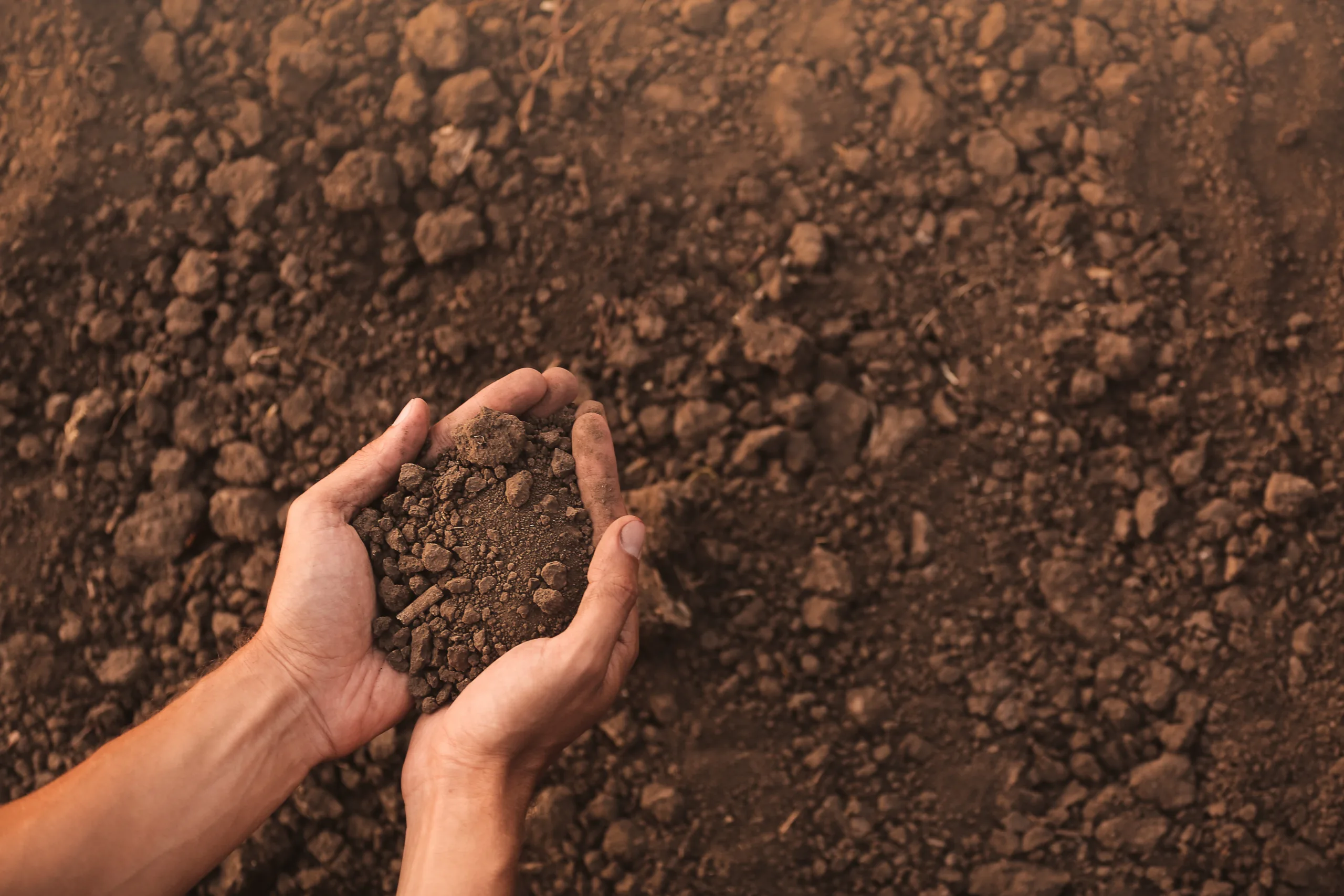
A perc test determines if the surrounding soil is able to absorb the amount of water that is being released by drain fields or a septic tank. Ultimately, the goal is to determine the percolation rate of the soil and how it responds to drainage and water management.
Since perc tests are done in connection with leach fields and septic systems, they must be performed based on the guidelines of the local health department or county health officials. The tests are required before development or construction can begin, so perc tests are often part of the site preparation phase.
Why Are Perc Tests Important?
There are several reasons why this step is necessary before beginning construction or land development. The results of the perc test will affect the design of the drain fields and septic tanks that are being placed on the property. It’s necessary to check the soil and implement proactive measures to protect groundwater and avoid contamination in the water table. Additionally, these tests will ensure that your land is stable and ready for construction.
It’s worth noting that you must complete these tests to maintain compliance and avoid fines and legal issues in the future.
When is a Perc Test Required?
Here are a few examples of the most common situations when perc tests are required:
- Before the installation of a new septic system;
- Before/when you buy land;
- During real estate development, and/or
- If you are expanding a property.
The best thing that you can do is consult with your municipality and a local, experienced contractor to determine whether a perc test is needed. Reach out to our team at Mikula, and we can offer personalized recommendations based on your property and upcoming development plans.
How is a Perc Test Conducted?
We at Mikula Contracting do not perform the actual perc test; however, we work with an environmental firm to have the test completed. Our team will dig for the perc test and provide the environmental firm with what they need to run the test. Here’s what you can expect when a perc test is done on your property:
- First, the contractor digs one or more holes in the ground.
- Next, the contractor fills the holes with a specific amount of water.
- Then, it’s time to watch how quickly the surrounding soil absorbs the water.
- The timing of the water absorption is a key factor in determining the percolation rate.
Understanding Perc Test Results
You need a passing perc test in order to get the green light to move forward with a septic system and other land development projects. If your land fails a perc test, then consult with our team right away, and we can help you evaluate various options.
Each property is unique, which is why there isn’t a one-size-fits-all solution for every property. We will evaluate your soil type, property slope, and other factors that can influence your site preparation plans.
Perc Test Costs and Timelines
The perc test cost varies depending on exactly what needs to be done for your property, so we recommend that you contact our team for an estimate. We’ll discuss your needs and provide details about the expected costs for the perc test and other necessary services.
Factors that can influence the cost of your perc test include your soil type, the number of holes that need to be dug, and how big your property is overall. Rest assured knowing that our team at Mikula can work quickly to ensure that your perc test results are finalized so that it doesn’t hold up your development or construction schedule.
What to Do If Your Land Fails a Perc Test
If you end up with a failed test, don’t panic– there are options for long-term property planning. Some alternative solutions that we might discuss with you include the installation of drain fields, mound systems, or even municipal sewage systems.
Additionally, there are times when it might make sense to retest or file an appeal with the health department. We will help you evaluate all of your options so you can choose the best pathway forward for your property.
Local Perc Test Regulations and Requirements
If you need help understanding Perc test regulations and requirements, then reach out to our team at Mikula for guidance in what your next steps should be. We are here to help every step of the way. It’s essential that you are working with an experienced contractor who knows the local codes.
We offer a variety of related services for perc testing, including test pit excavation, drainage services, and other types of excavation. Contact us today to discuss your property and determine the necessary services for your upcoming development plans.
The Benefits of Installing Drainage Around Your Home
Water issues around your home might seem minor and a bit of an annoyance, but the truth is that they can cause major damage if left untreated. Prevention is the best solution, because putting in a good drainage system helps you avoid more expensive repairs in the future.
The first step is to find a local New Jersey drainage contractor who can help you design a good drainage system. You need a way to manage the water flow effectively in order to keep the water runoff away from your landscaping and foundation. These drainage solutions are a great investment since they protect your property and give you the peace of mind to know that you won’t likely have expensive repair costs due to flooding or water damage.
Here are a few of the benefits that you can expect if you address these drainage problems to protect your outdoor space.
Protects Your Home’s Foundation
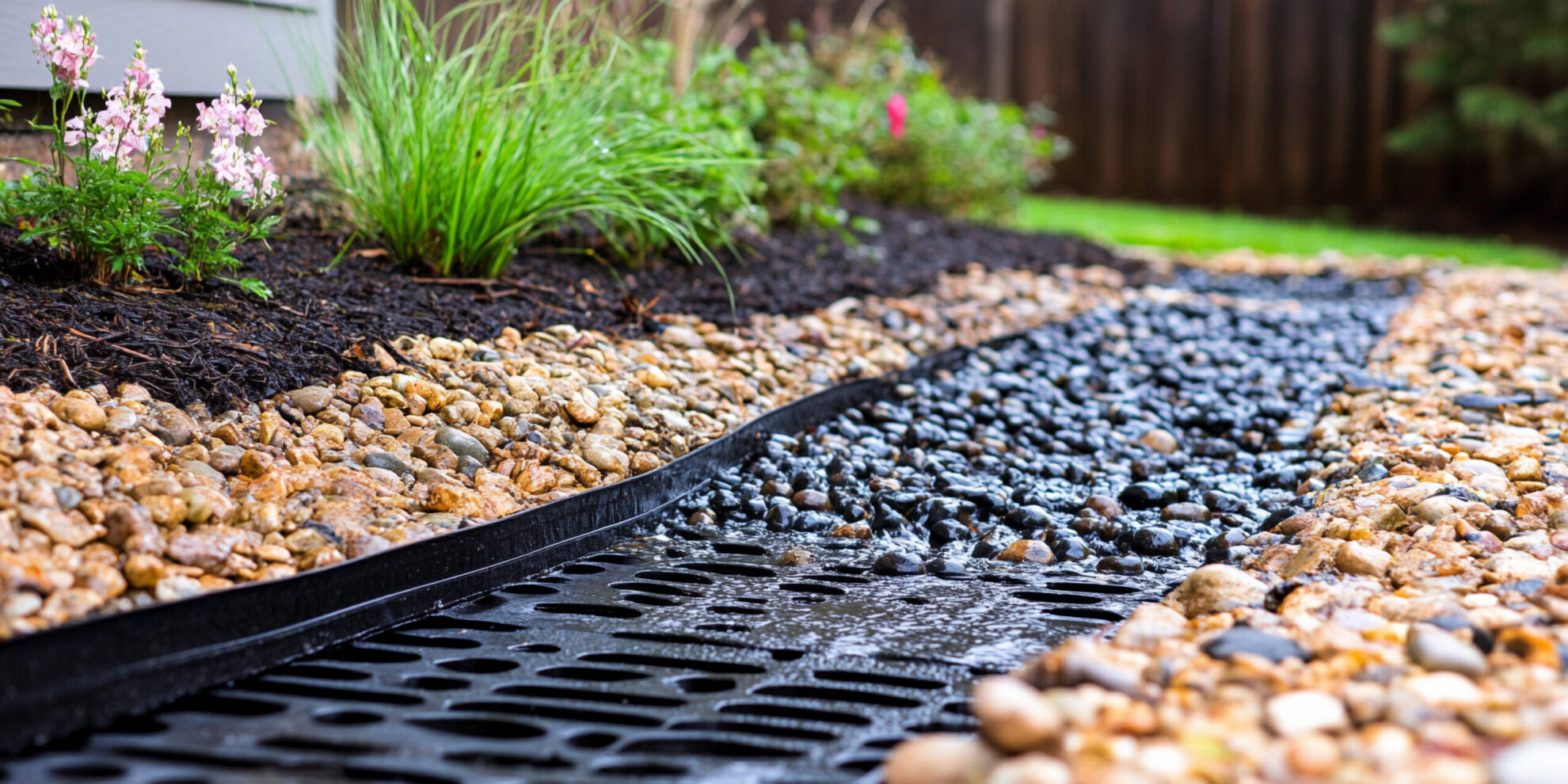
One of the most important reasons you need proper drainage is to protect your home’s foundation. If water starts pooling near the foundation, then it can result in shifting, cracks, and settling over time. French drains can be installed, or we can use grading strategies that effectively move the water away from your structure. Investing in these proactive drainage systems right now prevents water damage down the line, which can save you tens of thousands of dollars in repairs.
Prevents Basement and Crawl Space Flooding
It’s a nightmare to find water in your basement or crawl spaces, and unfortunately, these areas are prone to flooding. If you have standing water in a crawl space or basement, then you will be dealing with a variety of problems: mold, structural safety issues, and unhealthy indoor air that can be harmful to your family.
Call a New Jersey drainage contractor immediately to learn about your options, such as exterior drains or sump pumps that will keep your basement or crawl space dry. This investment is worth it because it prevents water damage and protects your belongings.
Reduces Soil Erosion Around Your Property
When excessive water is moving through your property, it can cause soil erosion as the topsoil washes away. Over time, erosion takes a toll on your landscaping and damages your yard. Certain soil types are more prone to erosion, especially if you are living on a sloped property. Contact us for more information about the most effective drainage systems that help to slow the water or redirect it to another place. When you are proactive with these effective drainage solutions, it reduces the risk of expensive regrading in the future.
Improves Lawn and Landscape Health
There’s no question that your lawn and landscaping are affected by water drainage. If there is too much water, then your plants and lawn will become stressed because they are drowning in the excess water. Installing a proper drainage system is a way to balance the moisture and prevent standing water, helping to avoid complications such as diseases and rotting roots. We’ll customize your drainage system based on your landscape and the layout of the property, which can improve both curb appeal and function at the same time to support your outdoor living spaces.
Prevents Water Pooling and Pest Infestation
When there is stagnant water on your property, it creates the ideal breeding ground for a variety of pests and mosquitoes. Eliminating this water not only avoids pest issues, but you can also prevent lawn fungus and even slippery surfaces around your property. Hiring a New Jersey drainage contractor is the solution that you need to manage water flow efficiently so that you can have a safe and enjoyable yard.
Increases Home Value and Long-Term Savings
It’s worth the investment to put in effective drainage systems. Not only will you enjoy the benefits while you are living in the home, but these investments can be beneficial when you are ready to sell in the future. They will boost your curb appeal and give potential buyers the reassurance to know that the property is in good condition. In fact, the right drainage systems can be a selling point that increases your home’s perceived value in the long term.
Works Well with Other Site Improvements
No matter the site improvements you are putting in, it’s essential to make sure that you have a good drainage system to go with your walkways, patios, retaining walls, and more. We recommend that you coordinate with a New Jersey drainage contractor when you are getting ready to put in landscaping projects. We’ll make sure that the water runoff is handled correctly in order to avoid damage to the plants and yard features that are being installed.
Get a Quote From an Experienced New Jersey Drainage Contractor
For more information about the best drainage solutions for your yard, schedule a consultation with a skilled New Jersey drainage contractor. Mikula is here to help every step of the way, offering effective solutions that will reduce your stress because you can avoid flooding and repairs in the future.
Four Types of Yard Drainage Systems (And When to Use Each)
Drainage matters; without a good drainage system, water damage can become a big issue. Not only can your home’s foundation be damaged by the water, but it can also impact landscaping and take a toll on your property value overall. If you are having issues with water flowing and pooling around your home, then it’s time to call a New Jersey drainage contractor for assistance.
How do you know if you have a drainage problem that needs to be addressed? Some of the signs that you might notice include standing water after it rains, soil erosion, or soggy patches in the grass. Having poor drainage isn’t just a cosmetic issue that is affecting your landscaping; it can eventually lead to serious structural issues, destroy your plants, and even be a breeding ground for mosquitoes and other pests.
In this article, we are taking a look at the four most common yard drainage solutions that you might consider, depending on your budget, soil type, and other unique conditions on your property. Our team is always here to answer your questions and help you find the ideal drainage improvements for your needs.
French Drains
This type of drainage system is designed to move water through a trench that is filled with gravel. There is a pipe at the bottom to collect the water, making it ideal if you have a property that often has pooling surface water. Moving the water into the drain keeps the water runoff from going into your basement.
Talk to any New Jersey drainage contractor, and they will often recommend this type of drainage system if you have a sloped yard or any areas that accumulate too much water. French drains can be a standalone system, or they are sometimes used with other types of drain systems for diverting water away from the problem areas.
Surface Drains or Catch Basins
If you need a fast way to collect water and debris, then these drainage options are ideal. They are usually designed as open inlets covered by grates and can provide proper drainage to minimize the risk of flooding (even in heavy rain conditions).
You’ll need to hire a New Jersey drainage contractor to install the catch basins so that the water can be collected and moved through underground piping. This type of surface draining can move the water runoff into other yard drains or channel drains so that you have full coverage across the property.
Trench Drains
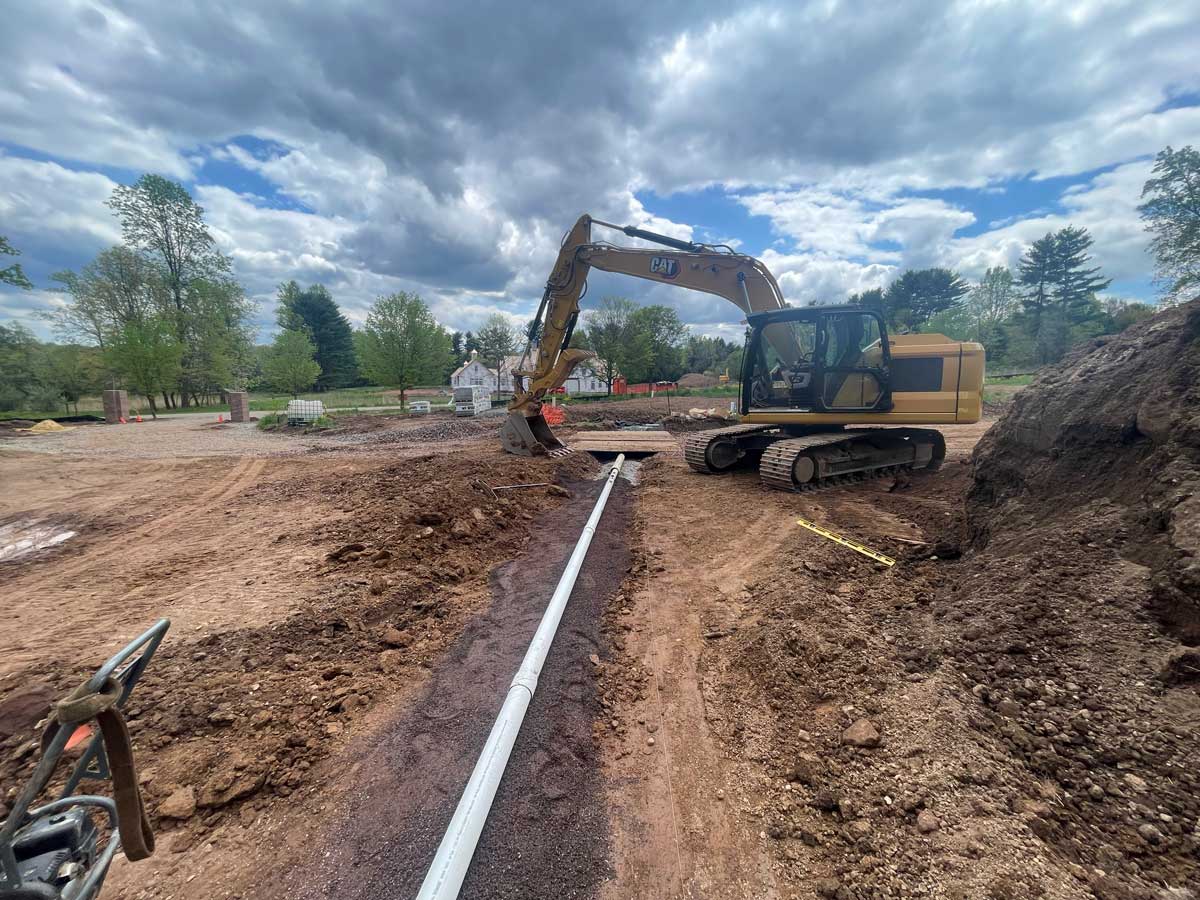
A trench drain uses a long, narrow design that is placed in the ground with a grate on top. This type of drain is often used near the edges of buildings or on flat, paved surfaces such as driveways or patios. The layout works well for the surfaces that have a lot of water runoff when it is raining, which is why trench drains are popular for commercial properties. But homeowners also choose this drainage system for residential yard drainage solutions.
Ultimately, the goal of using a trench drain is to catch the water before it goes into any structures (buildings, houses, or garages). It is an effective solution for diverting water away from the entrances of the buildings.
Dry Wells or Seepage Pits
Underground systems can be used to collect and store water temporarily, giving the water time to seep into the ground naturally. Sometimes dry wells are used for managing water running off the roof, especially when there is a risk of overloading the main city runoff systems.
Sometimes these dry wells are integrated with a rain barrel or downspout that allows some of the water to be used in an eco-friendly way. This type of drainage system is ideal if the soil conditions allow for water absorption.
Choosing the Right Drainage System for Your Yard
If you have any signs of a drainage problem, then the best thing that you can do is call a New Jersey drainage contractor as soon as possible. There are many ways that the water can be managed, helping to avoid complications and expensive repairs later on.
Hiring an experienced contractor is recommended because there are different factors that need to be considered in your drainage plan, such as the slope of the property, soil type, water volume, long-term maintenance needs, and your budget for the project. We understand that each situation is unique, which is why we never use a cookie-cutter approach for your drainage solutions. You’ll get a personalized plan that addresses your property’s conditions.
Our team will come to your property to evaluate water runoff patterns. The more we understand how the water travels, the easier it is to create a system to divert water effectively. This preventive approach helps you avoid water damage repairs and property issues when big storms come through.
Hire an Experienced New Jersey Drainage Contractor
At Mikula, we offer a full range of drainage and excavation services to protect your property. Not only can we install most of the systems that you need, but we are skilled at understanding the root cause of your drainage problem so that an effective solution can be put in place. When issues may arise that require specialized expertise, our team will collaborate with the proper people to get the job done right. When you choose an experienced team, you can have confidence in knowing that these drainage systems will continue working for many years.
When you are hiring a New Jersey drainage contractor, make sure that you are working with a team that understands soil behavior, local codes, and seasonal rainfall patterns. Schedule a consultation to discuss your yard drainage solutions. We are here to help.